- Name
- Marvin Akers
- Position
- Forward
- Class
- Senior
- Hometown (Last School)
- Jeffersonville, IN (High)
- Ht
- 6'3"
- Wt
- 190
- Seasons
- 1940-41, 1941-42, 1942-43
- Birthday
- March 23, 1921
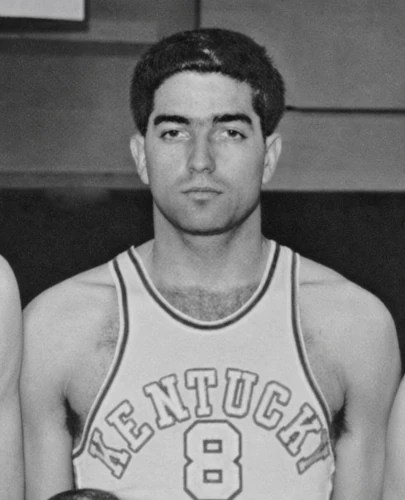
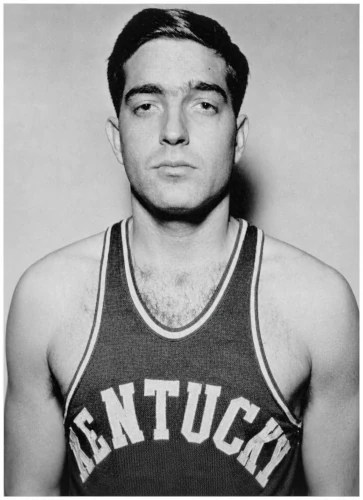
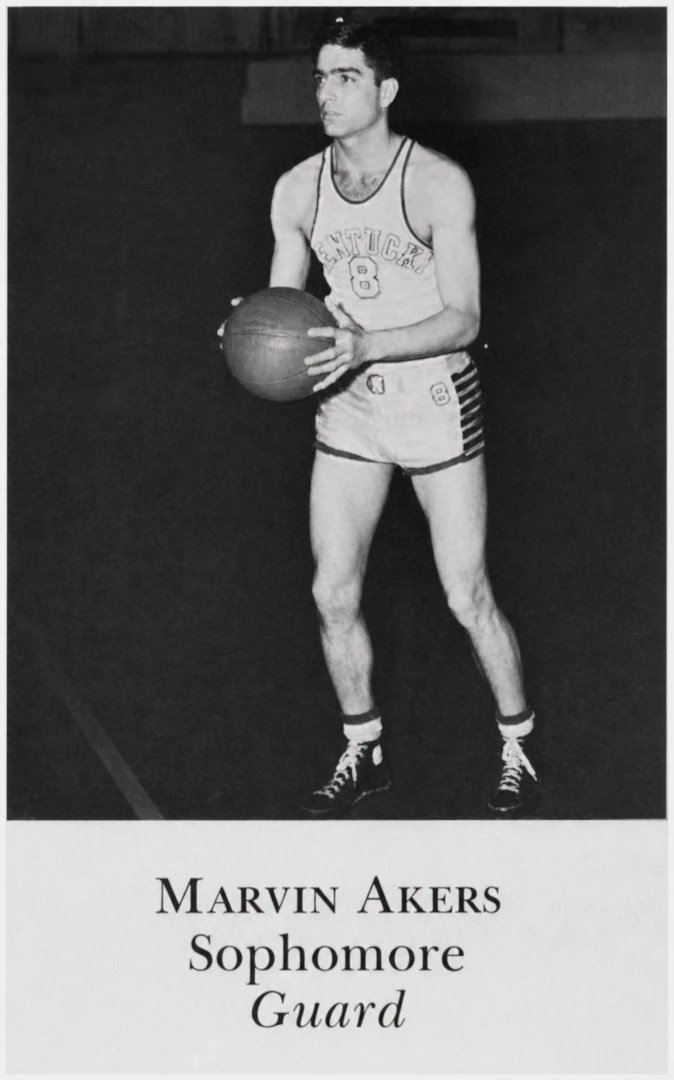
Marvin Akers was born on March 23, 1921, in Jeffersonville, Indiana, to Robert Lee Akers and Lena Leota Gardner. As a young student, Akers was considerably more interested in music than athletics, playing trombone in the Jeffersonville High School band and orchestra. During his sophomore year, a gym teacher noticed his ability to make field goals and asked whether he had ever considered playing basketball. Akers initially declined, explaining that he intended to “stick to my music,” but he joined the team the following year. Still an awkward and inexperienced player, he spent his senior season as an alternate center before writing Kentucky coach Adolph Rupp in search of an opportunity. Rupp invited him to Lexington for a tryout, beginning an unlikely but memorable Wildcat career.
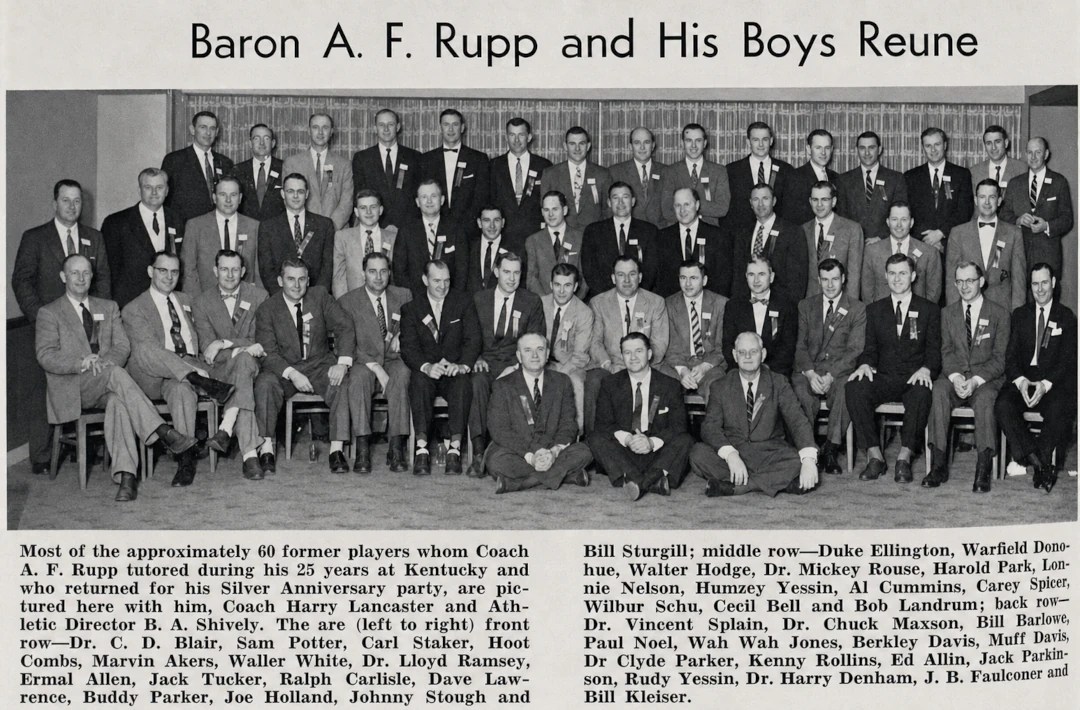
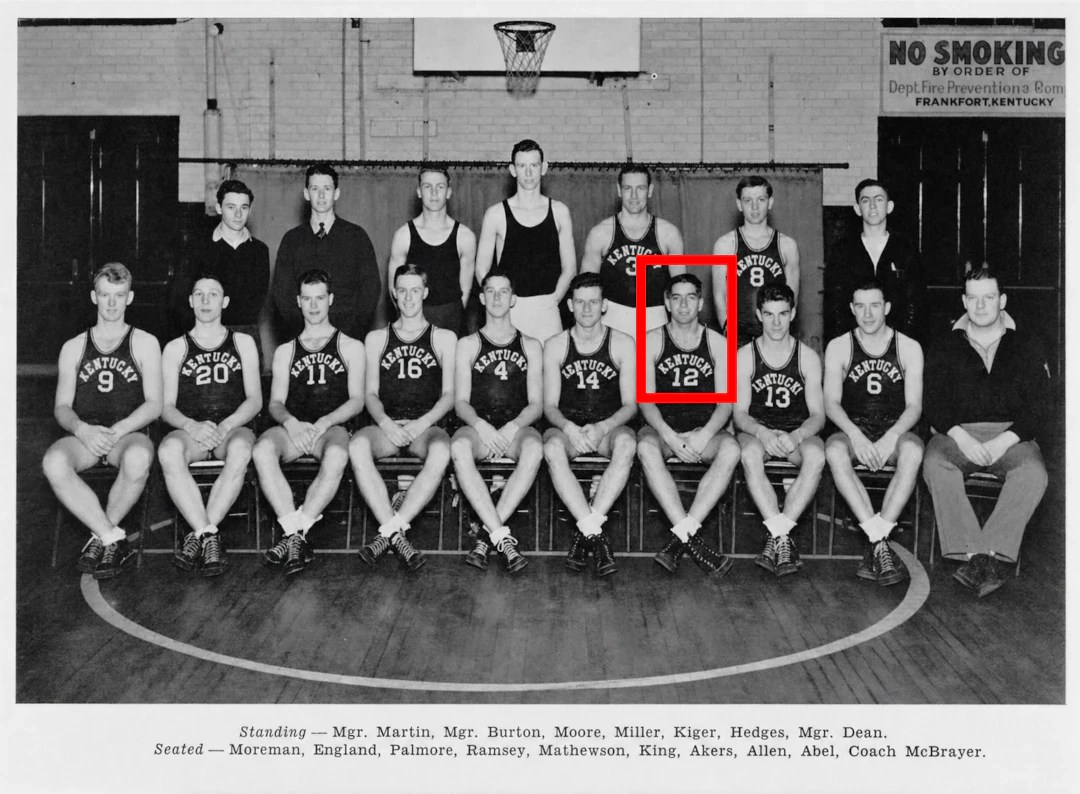
Akers joined Paul McBrayer’s University of Kentucky freshman team during the 1938–39 season. Playing alongside all-state center James King and guard Ermal Allen, he helped the “Kittens” compile a 9–1 record. Their only defeat came against Lindsey-Wilson Junior College, 51–34, but Kentucky avenged the loss with a 45–30 victory in the season finale at Alumni Gym. Akers, King and Allen each scored 10 points in the rematch, and Akers received freshman numerals at Kentucky’s annual athletic banquet.
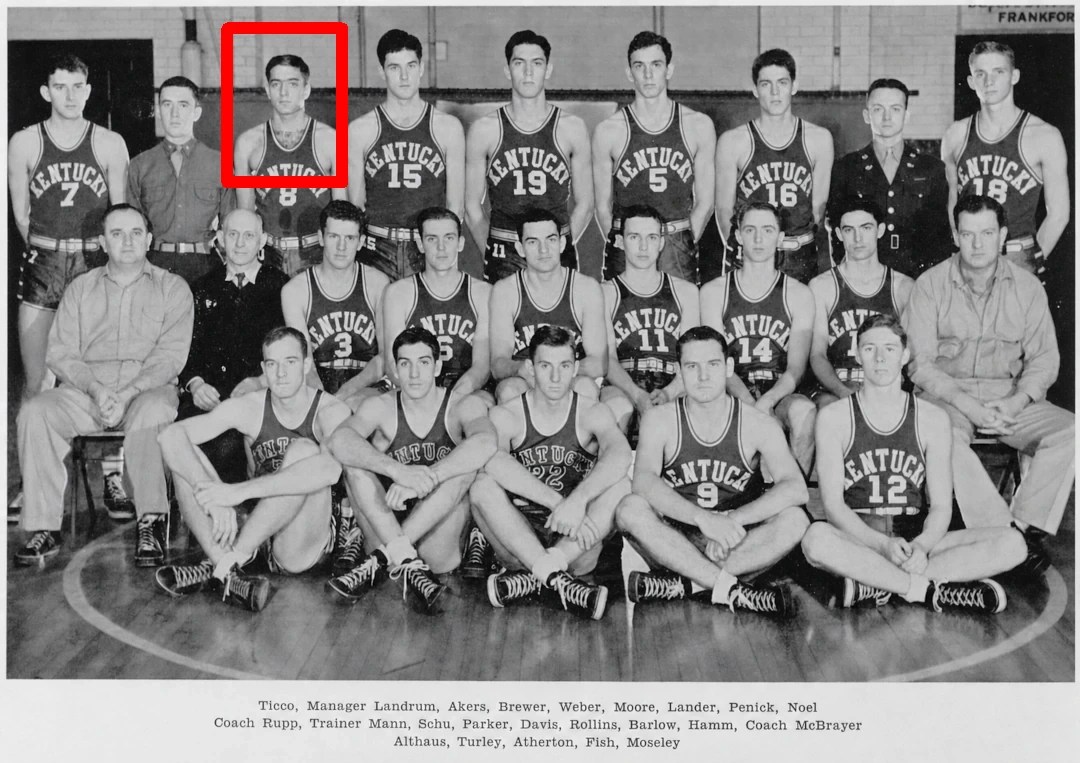
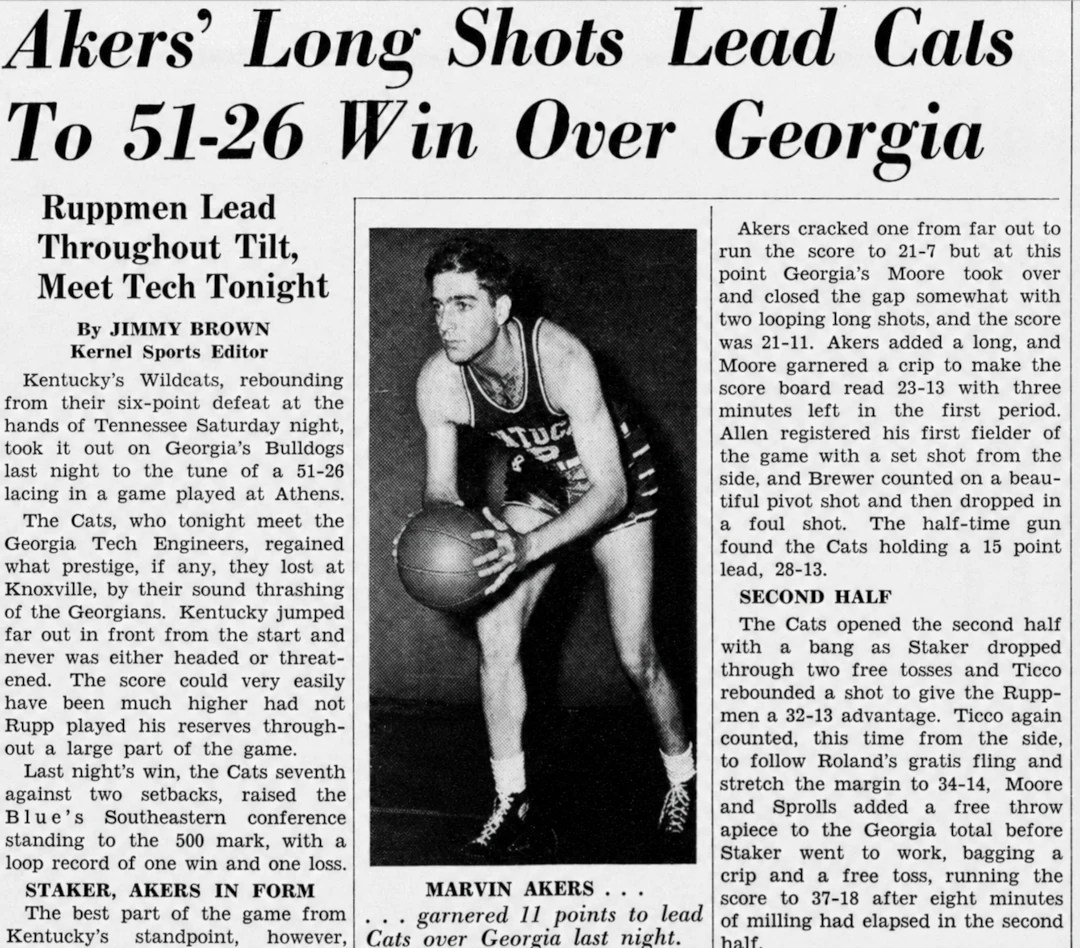
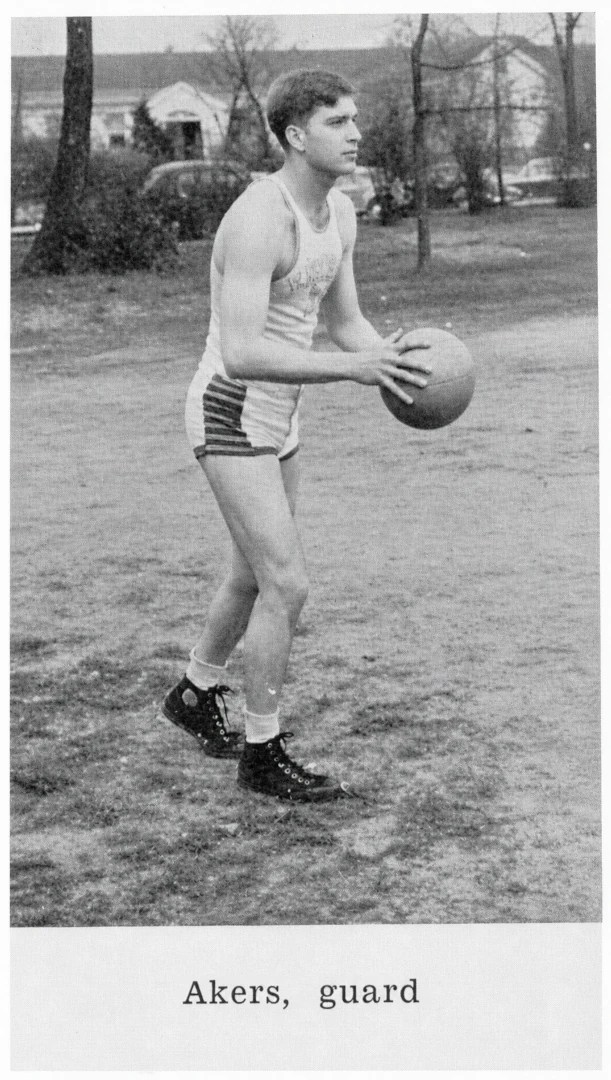
Although eligible for varsity competition in 1939–40, Akers spent the season among the reserves popularly known as Rupp’s “Lost Battalion.” He broke into the varsity lineup in 1940–41 and quickly became an important contributor at guard. Nicknamed the “Big Train” for his powerful drives and aggressive play around the basket, the 6-foot-3 Akers scored 110 points in 23 games, averaging 4.8 per contest. His long-range shooting, rebounding and determined defensive play helped him earn first-team All-Southeastern Conference recognition.
As a junior in 1941–42, Akers helped Kentucky win the SEC championship and make its first appearance in the NCAA Tournament. A severely sprained ankle slowed him early in the season, but he recovered to become the Wildcats’ leading scorer. Akers recorded 150 points during the regular season and finished with 189 points in 25 games, an average of 7.6 per contest. Kentucky defeated Illinois in the NCAA Eastern Regional semifinal before falling to Dartmouth, placing the Wildcats among the tournament’s final four teams for the first time. Akers earned second-team All-SEC and All-Southern honors and received honorable-mention All-America recognition. Contemporary accounts also noted that he appeared on several All-America selections.
Akers and center Mel Brewer were elected co-captains for the 1942–43 season. Close friends off the court, the two Hoosiers were respected for their leadership, good humor and ability to keep their teammates relaxed. Despite a limited roster and a difficult schedule, Kentucky finished the regular season 13–5, tied for the best record in the SEC and advanced to the conference tournament championship game before losing to Tennessee, 33–30. The Wildcats finished 16–7 overall. Akers led the team with 163 points in 23 games, averaging 7.1 per contest, and joined Brewer on the All-SEC team. He completed his three varsity seasons with 462 points in 71 games.
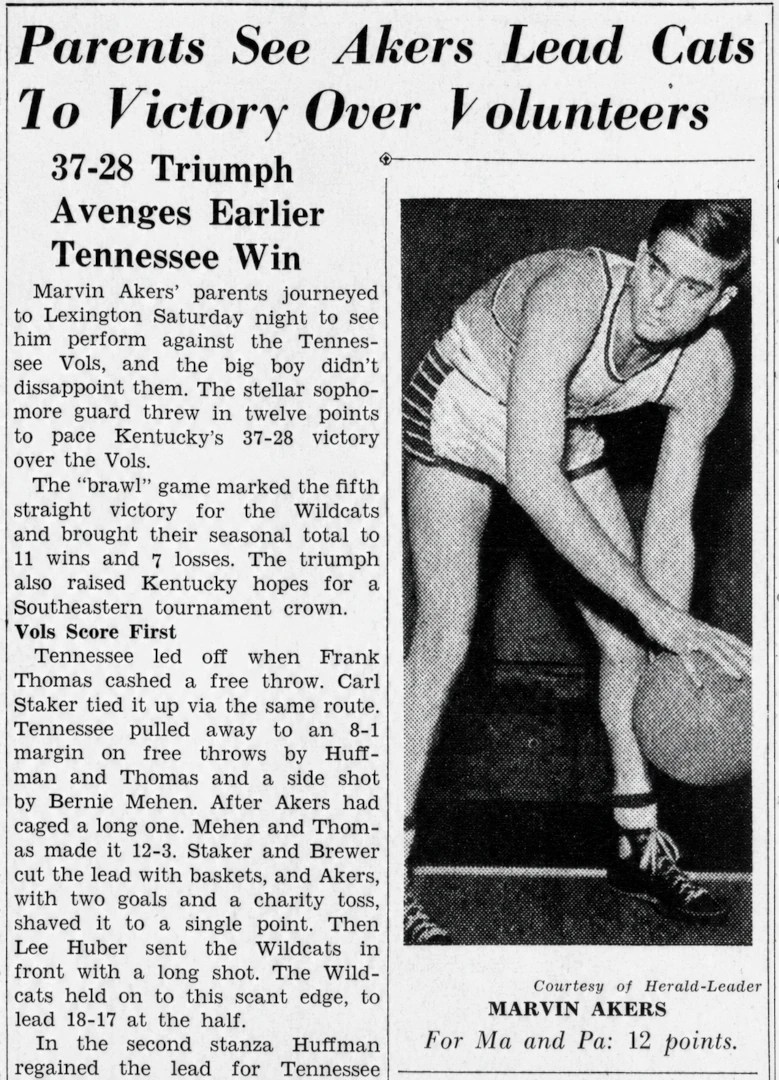
Among Akers’ most memorable performances was Kentucky’s 37–28 victory over Tennessee in February 1941, when his repeated drives through a physical Volunteer defense produced 12 points. He delivered another defining performance against previously unbeaten Notre Dame during the 1942–43 season. With three Kentucky starters eventually fouling out, Akers kept the Wildcats alive with long-range shooting and scored a team-high 17 points as Kentucky secured a celebrated 60–55 victory in Louisville. A contemporary Kentucky account described the contest as probably the Wildcats’ greatest performance of the season.
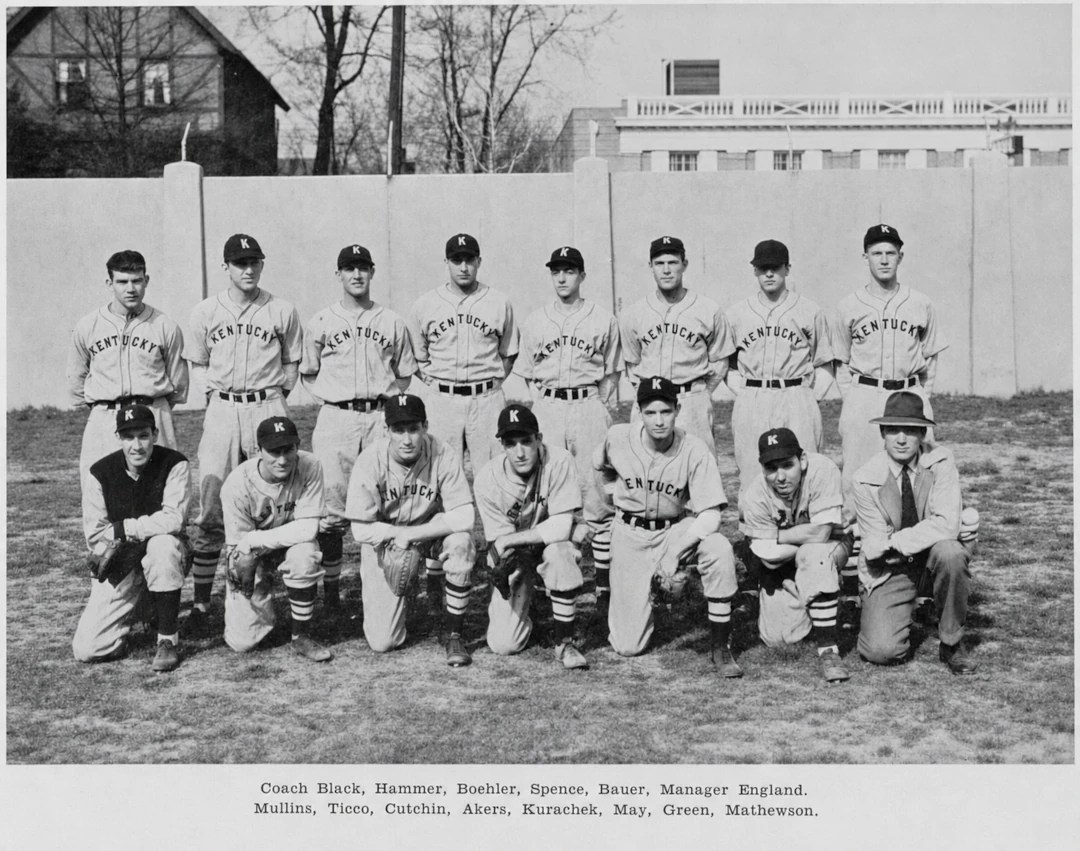
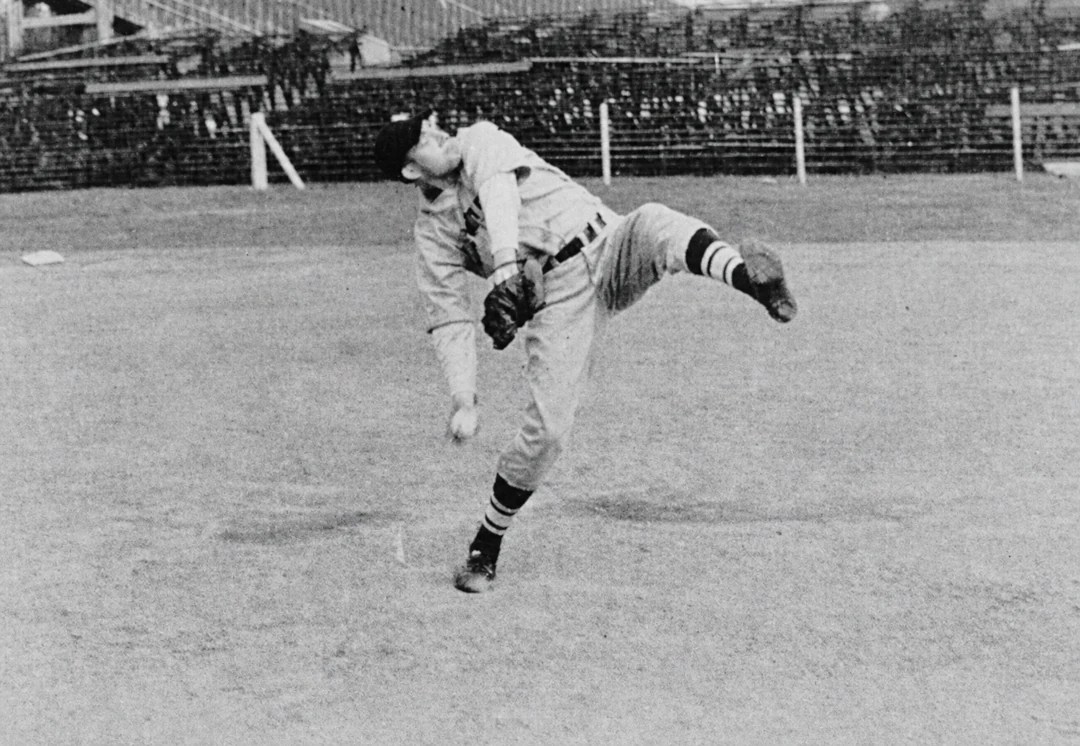
Akers was an accomplished athlete beyond the basketball court. He pitched for Kentucky’s baseball team, where his strong fastball and sweeping curve made him one of the Wildcats’ leading pitchers. Contemporary coverage described him as an exceptional all-around athlete who could move quickly for his size and performed with unusual ease on both the basketball court and baseball diamond.
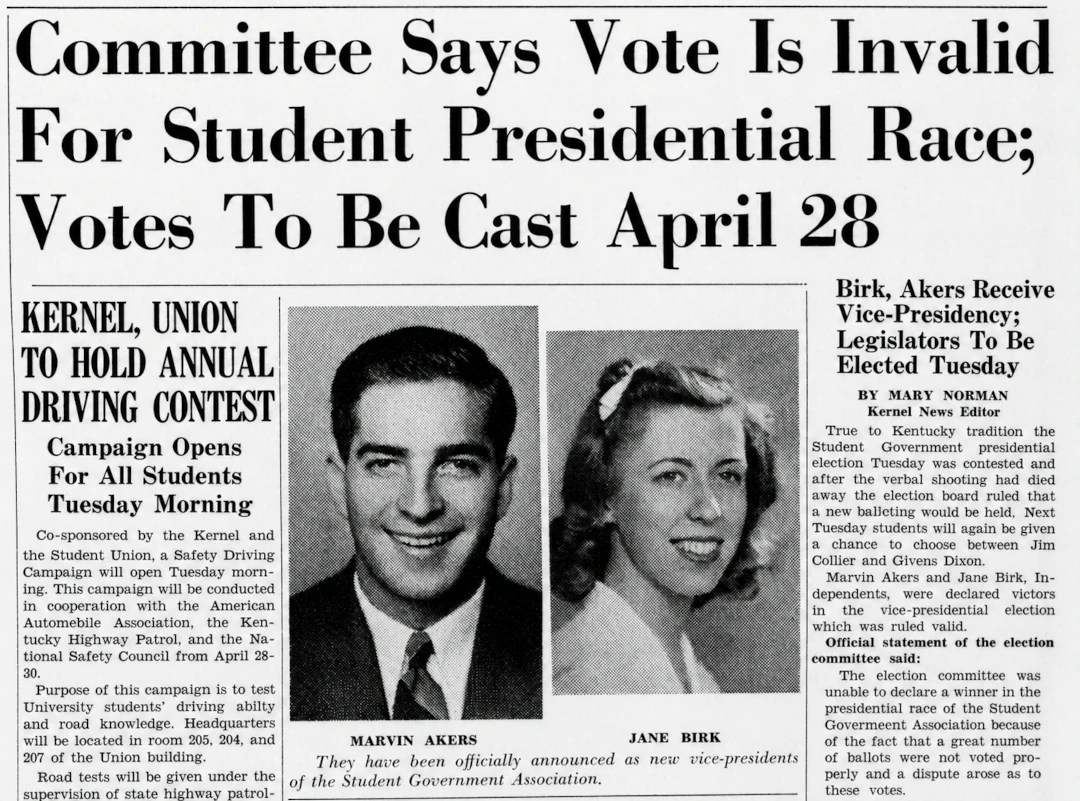
He was equally prominent in campus life. Akers belonged to Sigma Nu fraternity, the Omicron Delta Kappa leadership honorary and the Lamp and Cross senior society. He served as men’s vice president of the Student Government Association and was selected for Who’s Who Among Students in American Universities and Colleges. On March 21, 1943, he married Mary Alice Hydron at First Presbyterian Church in Jeffersonville. Kentucky teammate and fellow co-captain Mel Brewer served as an usher.
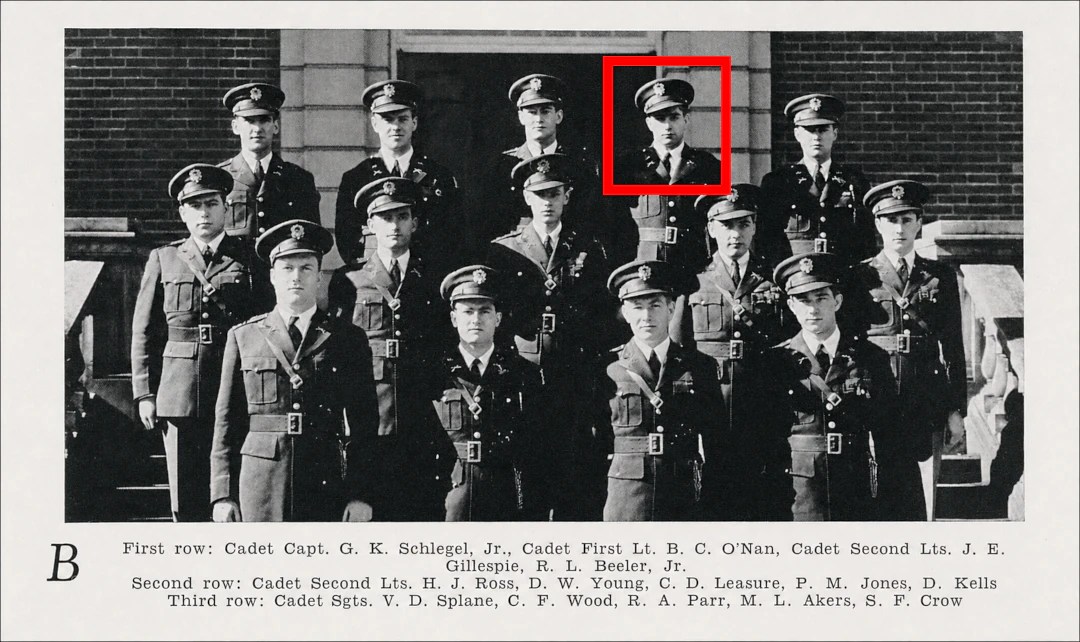
Following graduation, Akers entered the United States Army and completed Officer Candidate School at Fort Benning, Georgia. He subsequently served as an instructor at Camp Fannin near Tyler, Texas, before being sent overseas in August 1944. As a combat officer with the 5th Infantry Division in General George S. Patton’s Third Army, Akers was severely wounded in France on November 9, 1944, and received the Purple Heart. He later returned to Jeffersonville to recuperate from his wounds.
After the war, Akers built a successful career as a mechanical construction manager, working in the field for 28 years before retiring in 1986. He died on February 27, 2012, less than a month before his 91st birthday, and was buried at Walnut Ridge Cemetery in Jeffersonville. Akers was 90 years old. His life combined an important place in Kentucky basketball history with campus leadership, athletic versatility and distinguished wartime service.
Statistics:
NCAA
| Season | Team | MIN | FGM | FGA | 3PM | 3PA | FTM | FTA | OR | DR | PF | AST | TO | BLK | STL | PTS | G | MPG | FG% | FT% | 3P% | RPG | APG | SPG | BPG | PPG |
|---|---|---|---|---|---|---|---|---|---|---|---|---|---|---|---|---|---|---|---|---|---|---|---|---|---|---|
| Kentucky | 0 | 45 | 0 | 0 | 0 | 20 | 34 | 0 | 0 | 39 | 0 | 0 | 0 | 0 | 110 | 23 | 0.0 | 0 | 58.82 | 0 | 0.0 | 0.0 | 0.0 | 0.0 | 4.8 | |
| Kentucky | 0 | 85 | 50 | 0 | 0 | 19 | 29 | 0 | 0 | 38 | 0 | 0 | 0 | 0 | 189 | 25 | 0.0 | 170.00 | 65.52 | 0 | 0.0 | 0.0 | 0.0 | 0.0 | 7.6 | |
| Kentucky | 0 | 71 | 31 | 0 | 0 | 21 | 27 | 0 | 0 | 35 | 0 | 0 | 0 | 0 | 163 | 23 | 0.0 | 229.03 | 77.78 | 0 | 0.0 | 0.0 | 0.0 | 0.0 | 7.1 | |
| Total | - | 0 | 201 | 81 | 0 | 0 | 60 | 90 | 0 | 0 | 112 | 0 | 0 | 0 | 0 | 462 | 71 | 0.0 | 248.15 | 66.67 | 0 | 0.0 | 0.0 | 0.0 | 0.0 | 6.5 |
Career Totals
| Season | MIN | FGM | FGA | 3PM | 3PA | FTM | FTA | OR | DR | PF | AST | TO | BLK | STL | PTS | G | MPG | FG% | FT% | 3P% | RPG | APG | SPG | BPG | PPG |
|---|---|---|---|---|---|---|---|---|---|---|---|---|---|---|---|---|---|---|---|---|---|---|---|---|---|
| 1940-41 | 0 | 45 | 0 | 0 | 0 | 20 | 34 | 0 | 0 | 39 | 0 | 0 | 0 | 0 | 110 | 23 | 0.0 | 0 | 58.82 | 0 | 0.0 | 0.0 | 0.0 | 0.0 | 4.8 |
| 1941-42 | 0 | 85 | 50 | 0 | 0 | 19 | 29 | 0 | 0 | 38 | 0 | 0 | 0 | 0 | 189 | 25 | 0.0 | 170.00 | 65.52 | 0 | 0.0 | 0.0 | 0.0 | 0.0 | 7.6 |
| 1942-43 | 0 | 71 | 31 | 0 | 0 | 21 | 27 | 0 | 0 | 35 | 0 | 0 | 0 | 0 | 163 | 23 | 0.0 | 229.03 | 77.78 | 0 | 0.0 | 0.0 | 0.0 | 0.0 | 7.1 |
| Total | 0 | 201 | 81 | 0 | 0 | 60 | 90 | 0 | 0 | 112 | 0 | 0 | 0 | 0 | 462 | 71 | 0.0 | 248.15 | 66.67 | 0 | 0.0 | 0.0 | 0.0 | 0.0 | 6.5 |
Photos: