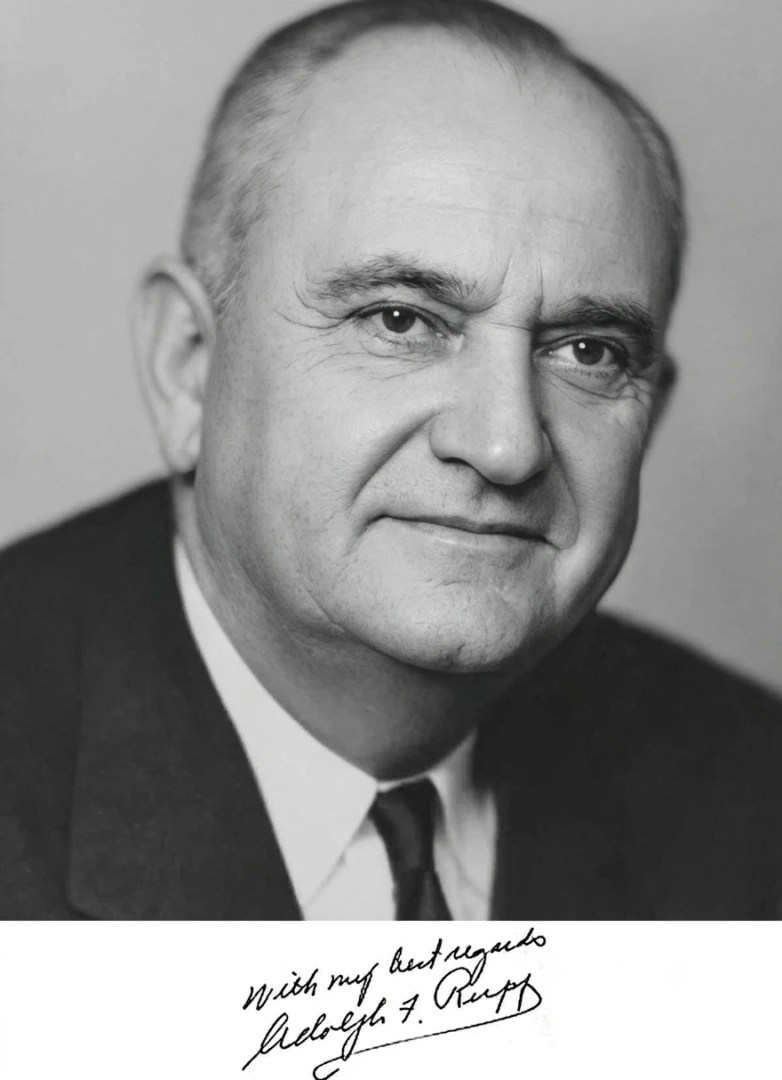
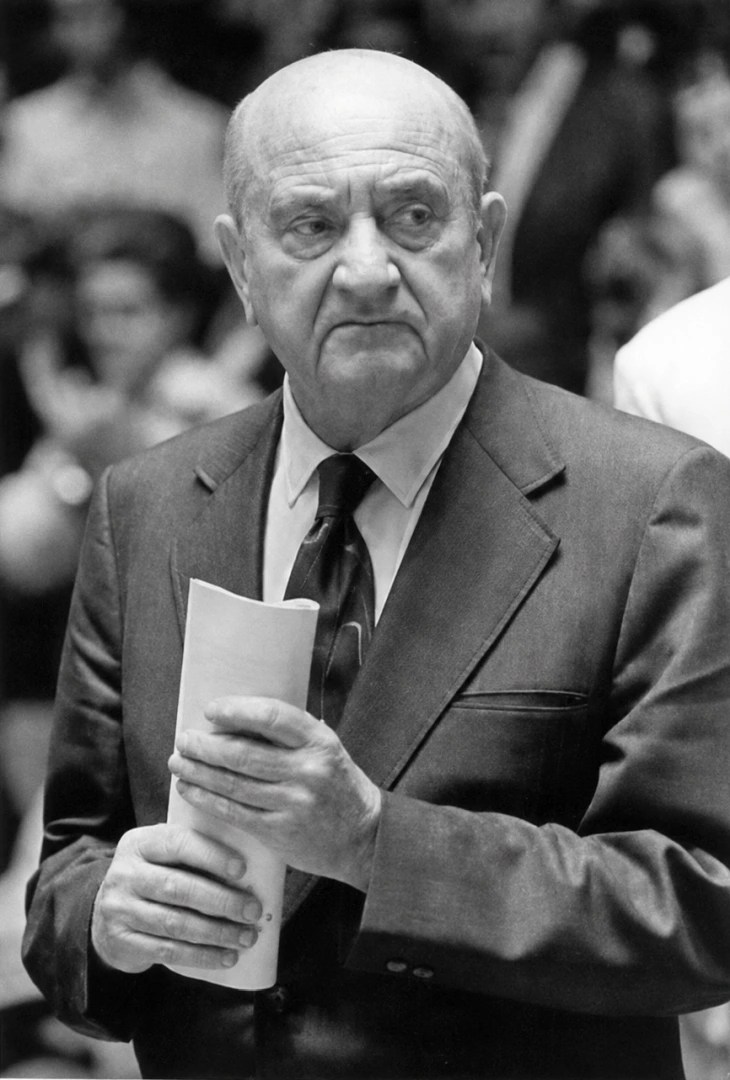
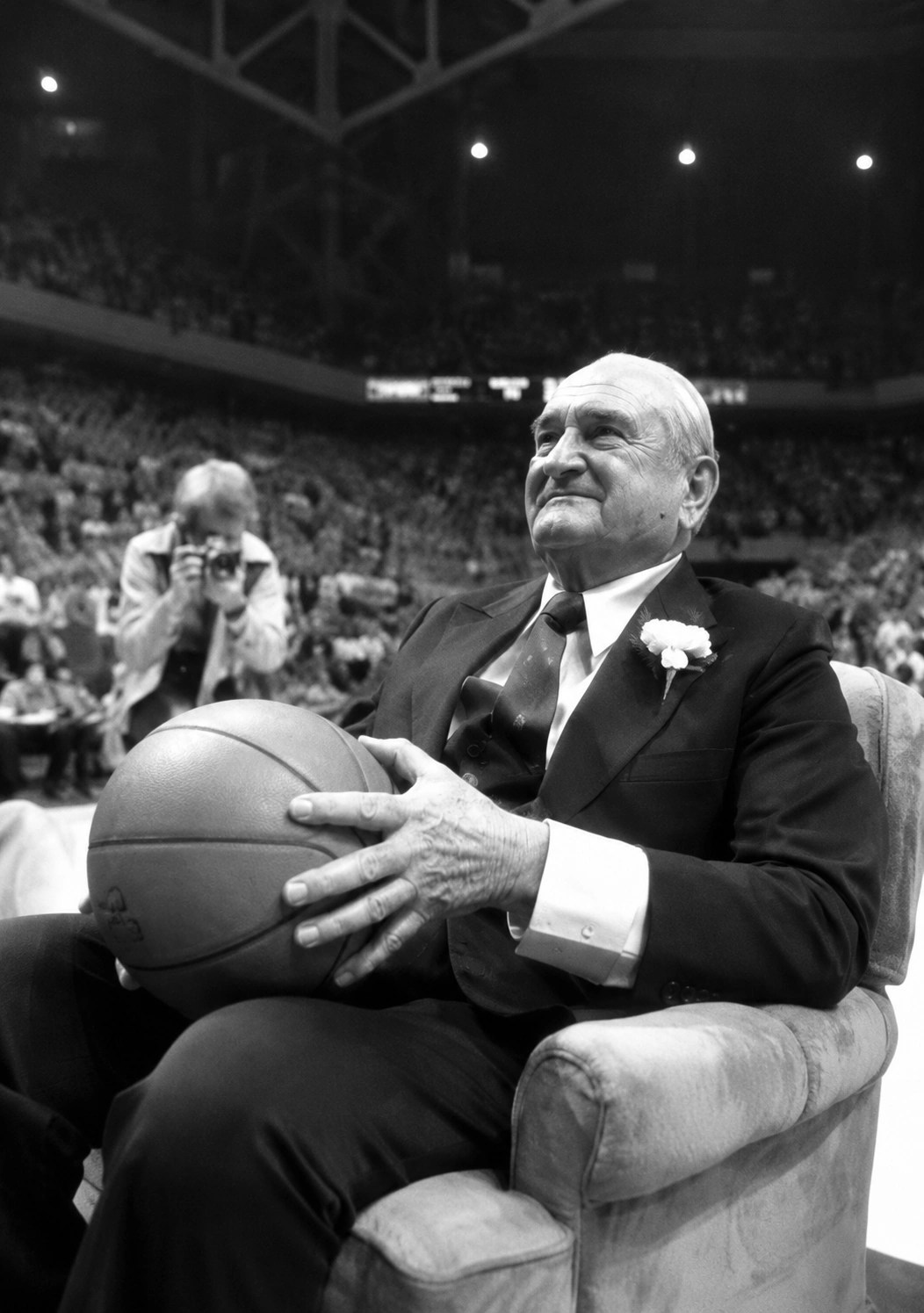
| Full Name | Adolph Frederick Rupp |
|---|---|
| Born | September 2, 1901 |
| Birthplace | Halstead, Kansas |
| Died | December 10, 1977 |
| Kentucky Tenure | 1930–72 — 42 seasons |
| Kentucky Record | 876–190 |
| Winning Percentage | .822 |
| NCAA Championships | 1948, 1949, 1951, 1958 |
| SEC Regular-Season Titles | 27 |
| SEC Tournament Titles | 13 |
| NCAA Final Fours | 6 |
| Hall of Fame | Naismith Memorial Basketball Hall of Fame, 1969 |
| Alma Mater | University of Kansas, 1923 |
| Notable Nicknames | “Baron of the Bluegrass” and “The Man in the Brown Suit” |
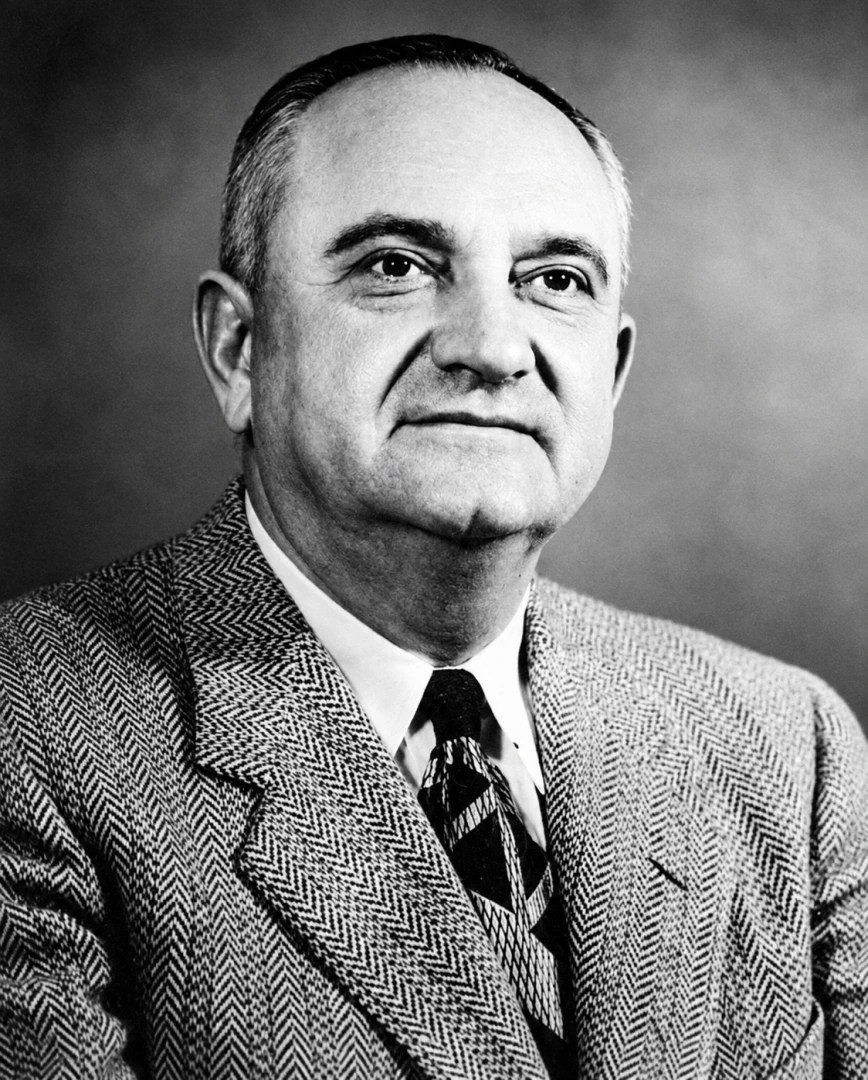
Adolph Frederick Rupp was born on September 2, 1901, near Halstead, Kansas, the fourth of six children in a German Mennonite farming family. He grew up working on the family farm and became fascinated with basketball as a boy, sometimes playing with a homemade ball fashioned from rags and a feed sack. At Halstead High School, the 6-foot-2 Rupp became a productive player, team captain and unofficial coach.
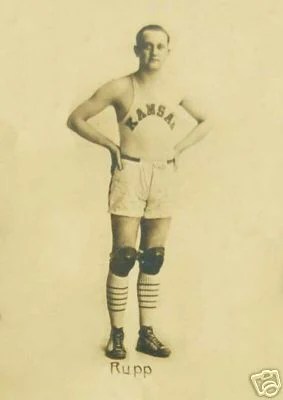
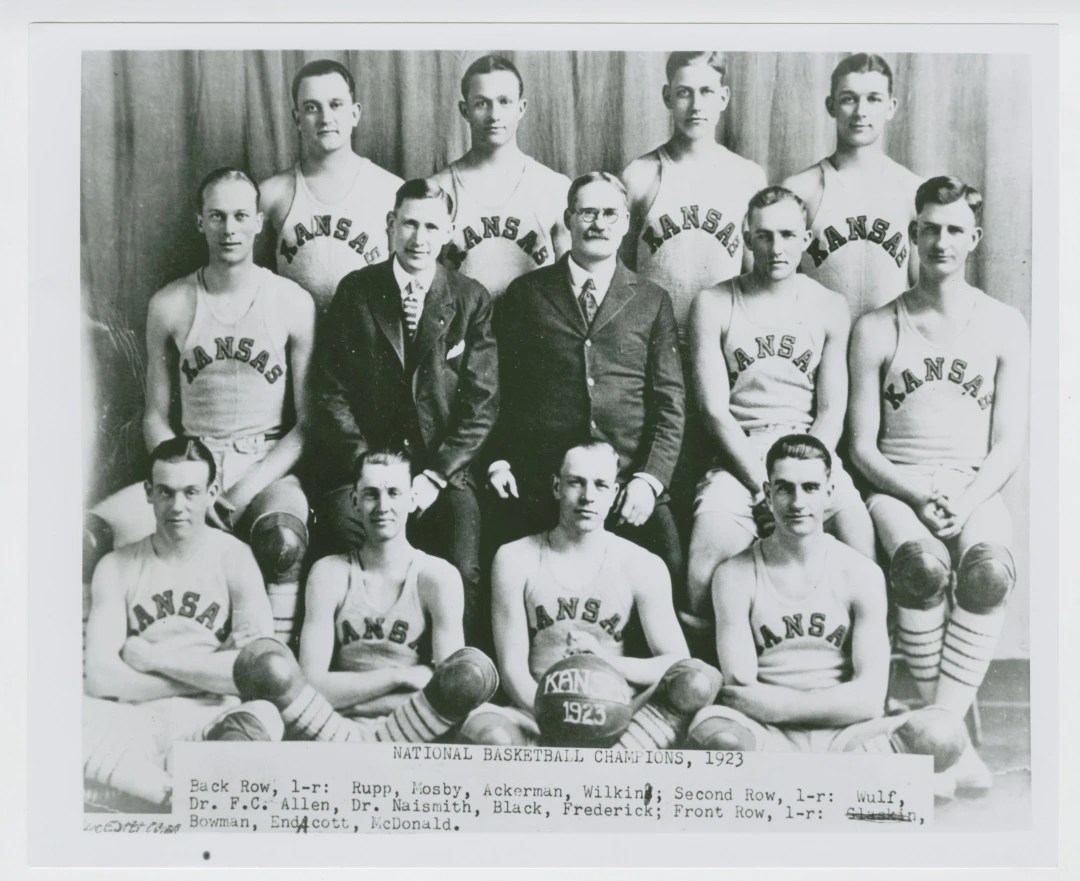
Rupp attended the University of Kansas from 1919 to 1923, where he played as a reserve under Hall of Fame coach Forrest “Phog” Allen. James Naismith, the inventor of basketball and Allen’s former coach, remained associated with the Kansas program during Rupp’s years in Lawrence. The experience exposed Rupp to two of the most influential teachers in the early development of the game and helped form the coaching principles he would later bring to Kentucky.
After graduating from Kansas, Rupp coached high school basketball in Kansas and Illinois. He built a successful program at Freeport High School in Illinois before the University of Kentucky hired him in 1930. Rupp coached his first Kentucky game on December 19, 1930, when the Wildcats defeated Georgetown College 67–19. That victory began one of the longest and most successful coaching tenures in college basketball history.
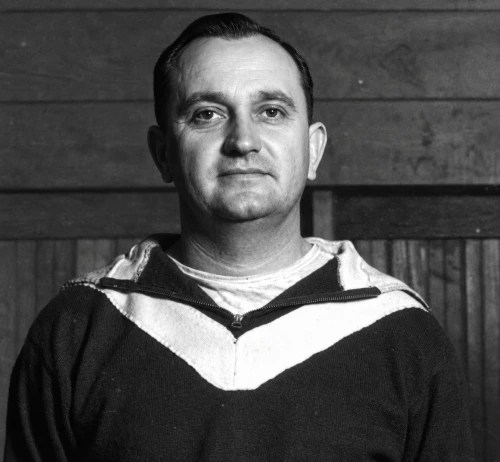
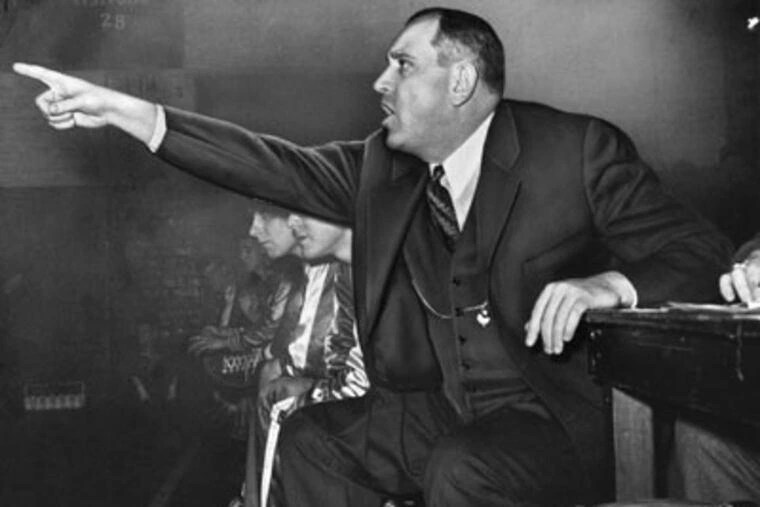
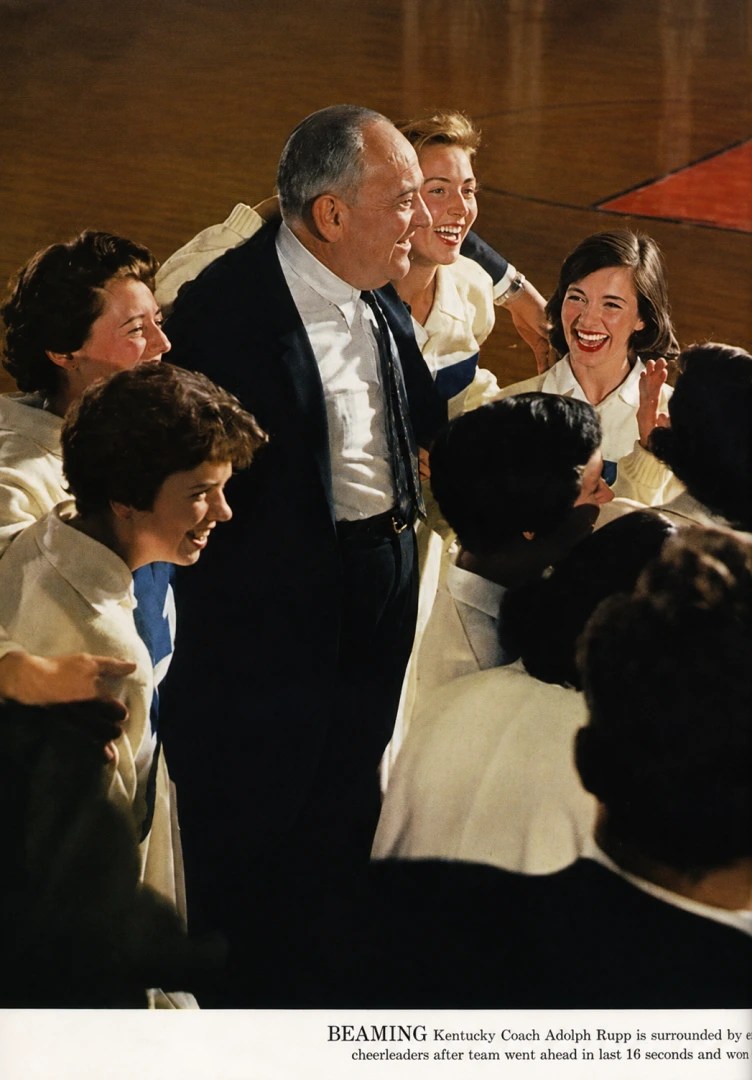
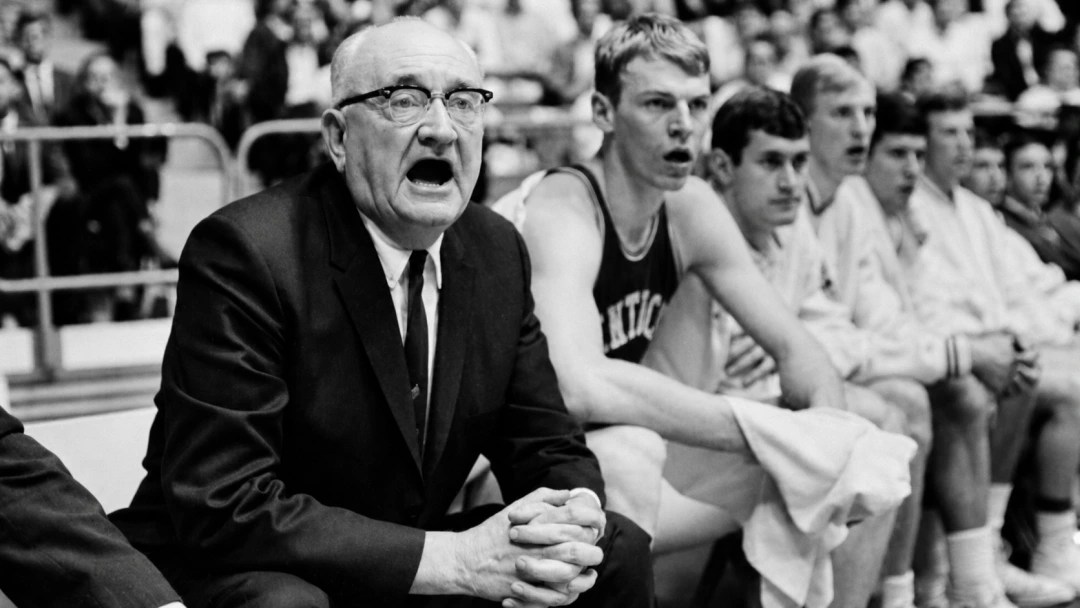
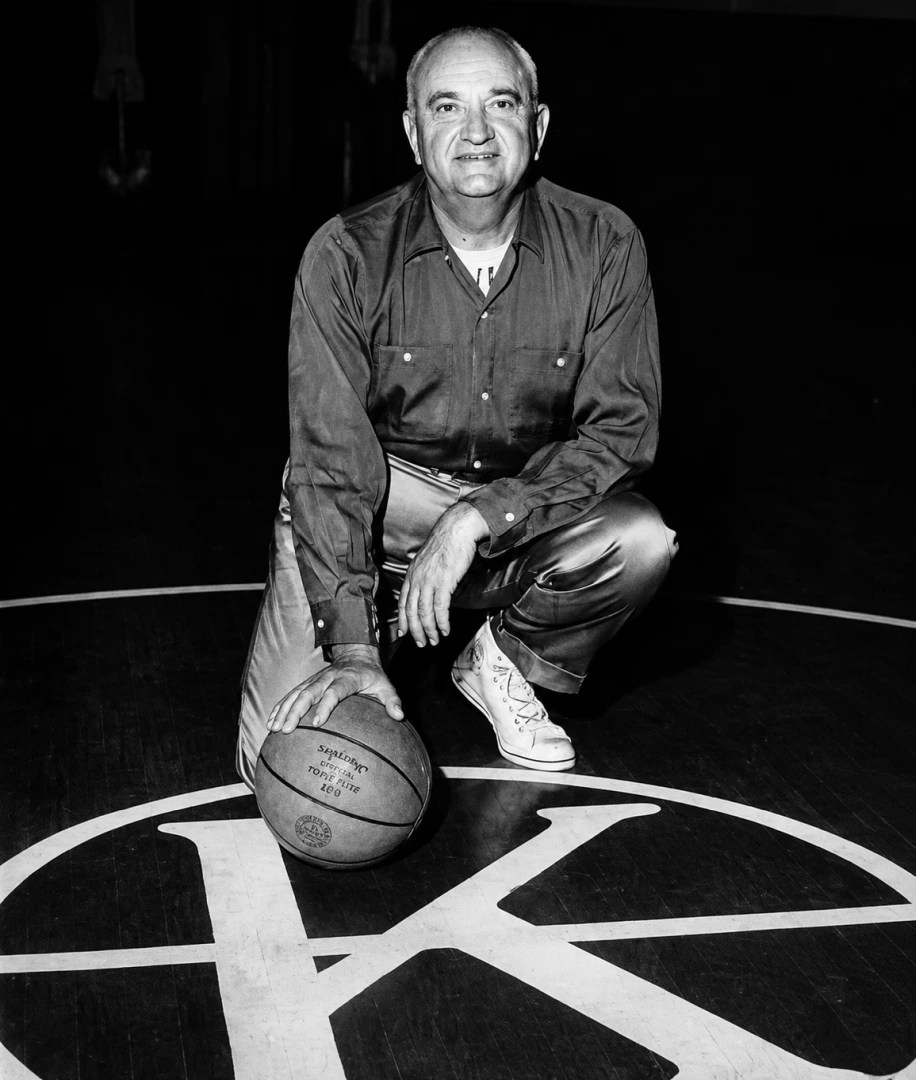
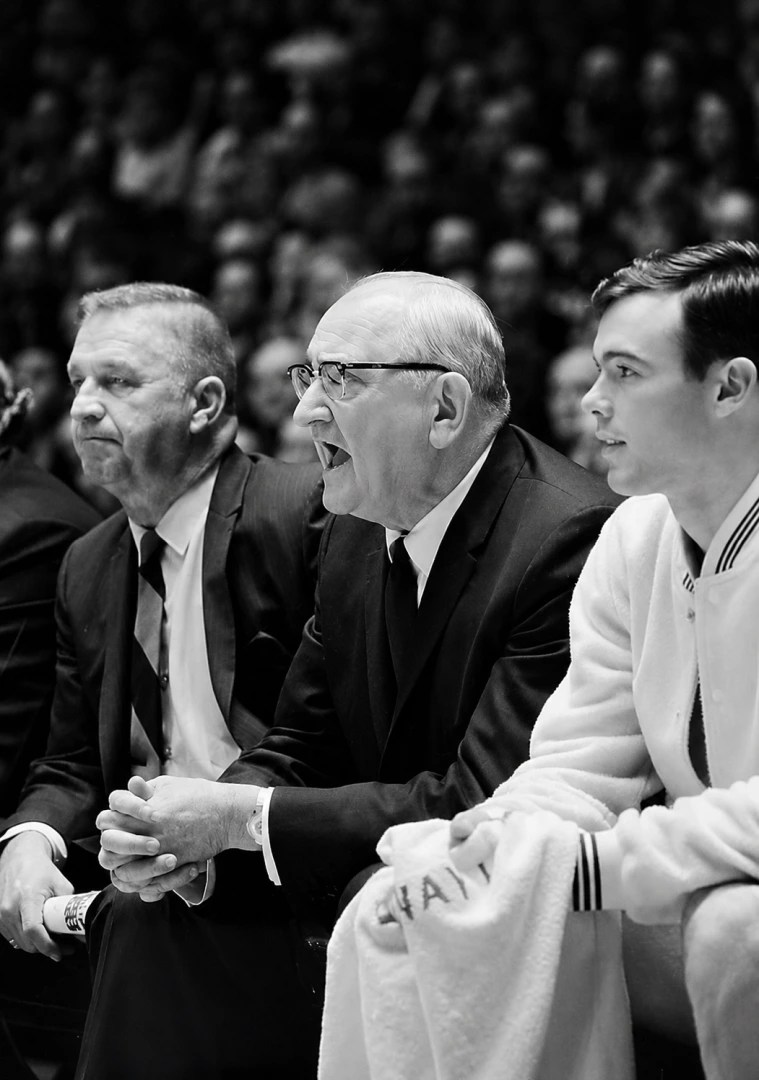
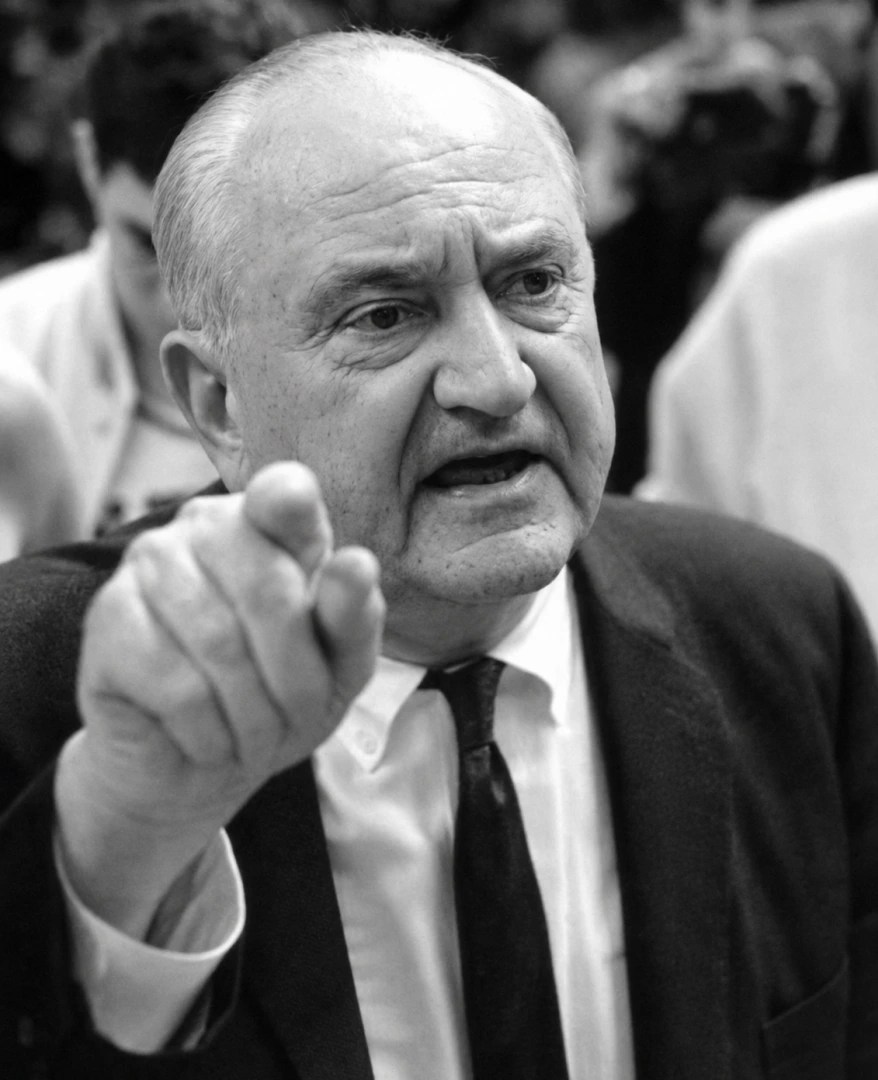
Rupp transformed Kentucky into a national basketball power through demanding practices, precise fundamentals, aggressive man-to-man defense and a fast-breaking offense that contrasted with the slower style common during the period. Known as the “Baron of the Bluegrass” and the “Man in the Brown Suit,” he developed generations of Kentucky players and built an intense statewide following around the program. A large majority of his players came from Kentucky, strengthening the bond between the team and communities throughout the Commonwealth.
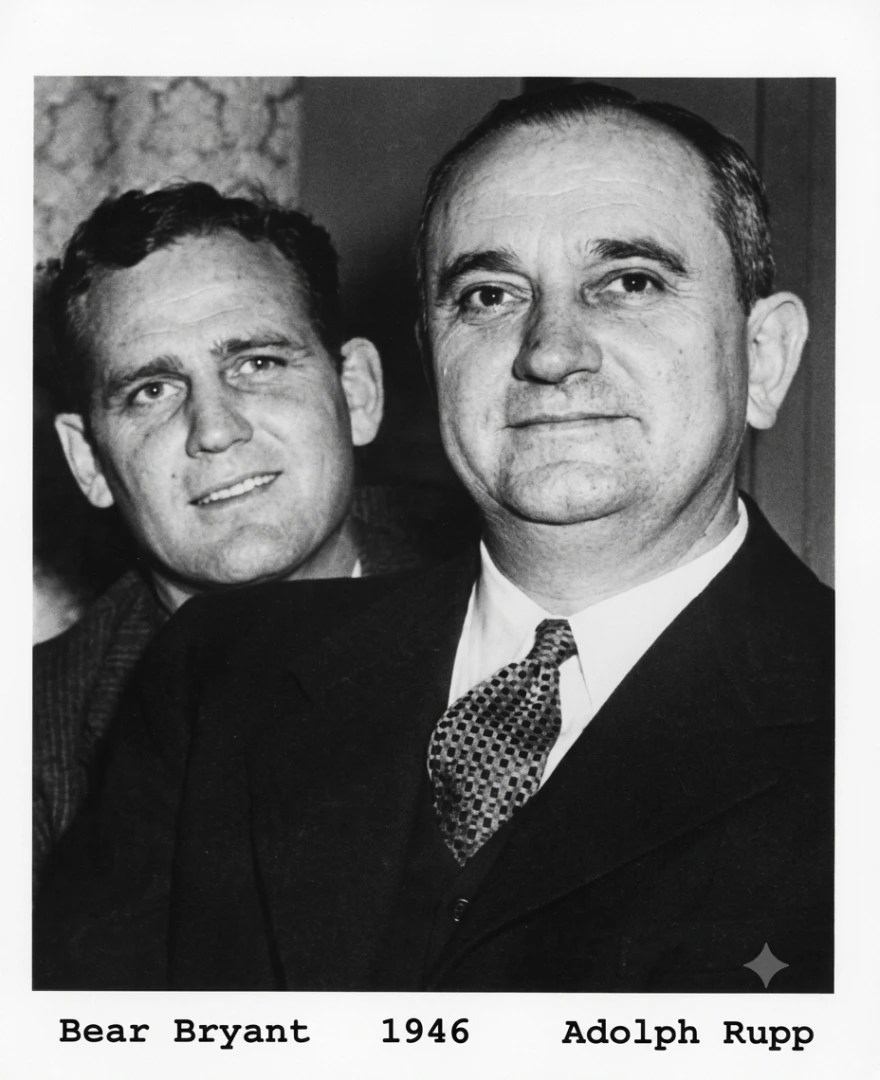
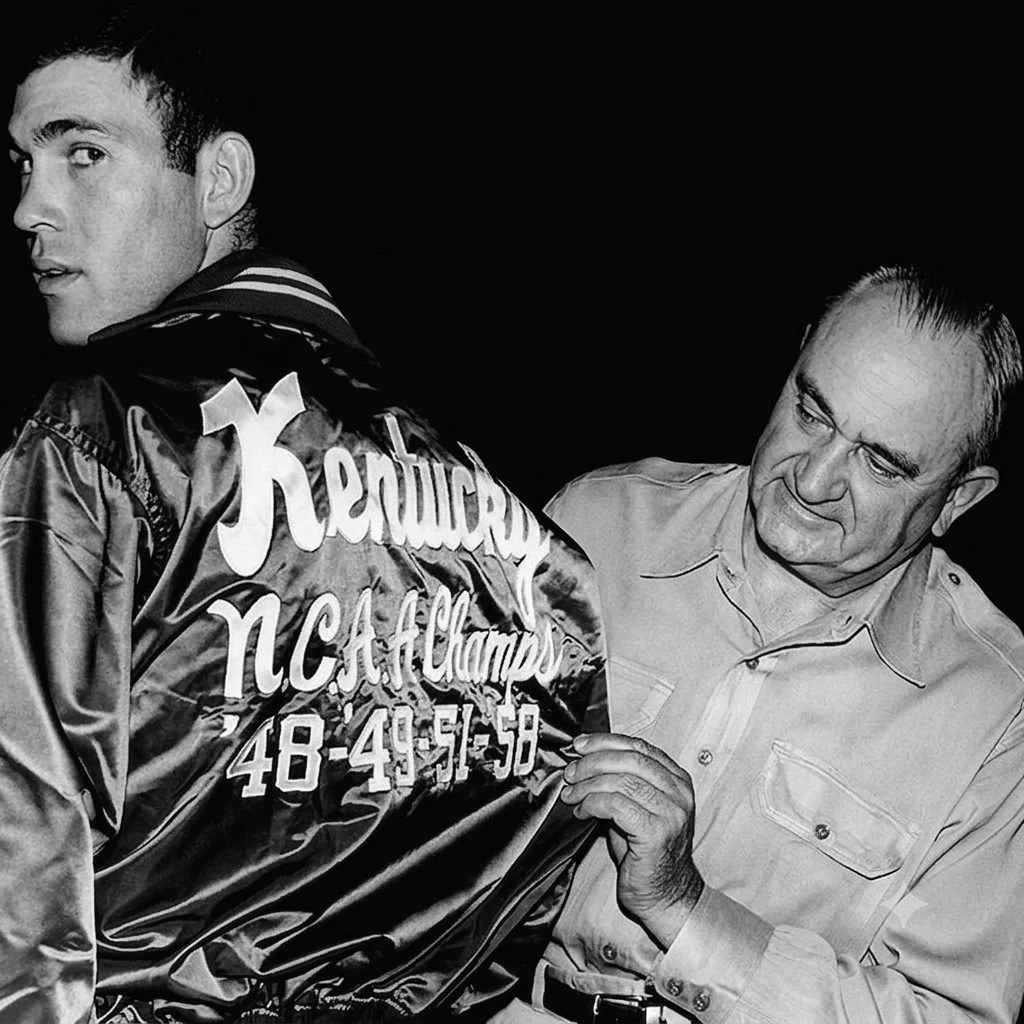
Kentucky won four NCAA championships under Rupp, capturing the national title in 1948, 1949, 1951 and 1958. His teams also won the 1946 National Invitation Tournament, reached six NCAA Final Fours, claimed 27 Southeastern Conference regular-season championships and won 13 SEC tournaments. The 1948 “Fabulous Five” formed the core of the United States team that won the Olympic gold medal in London, while the undersized 1965–66 team known as “Rupp’s Runts” advanced to the NCAA championship game before losing to Texas Western.
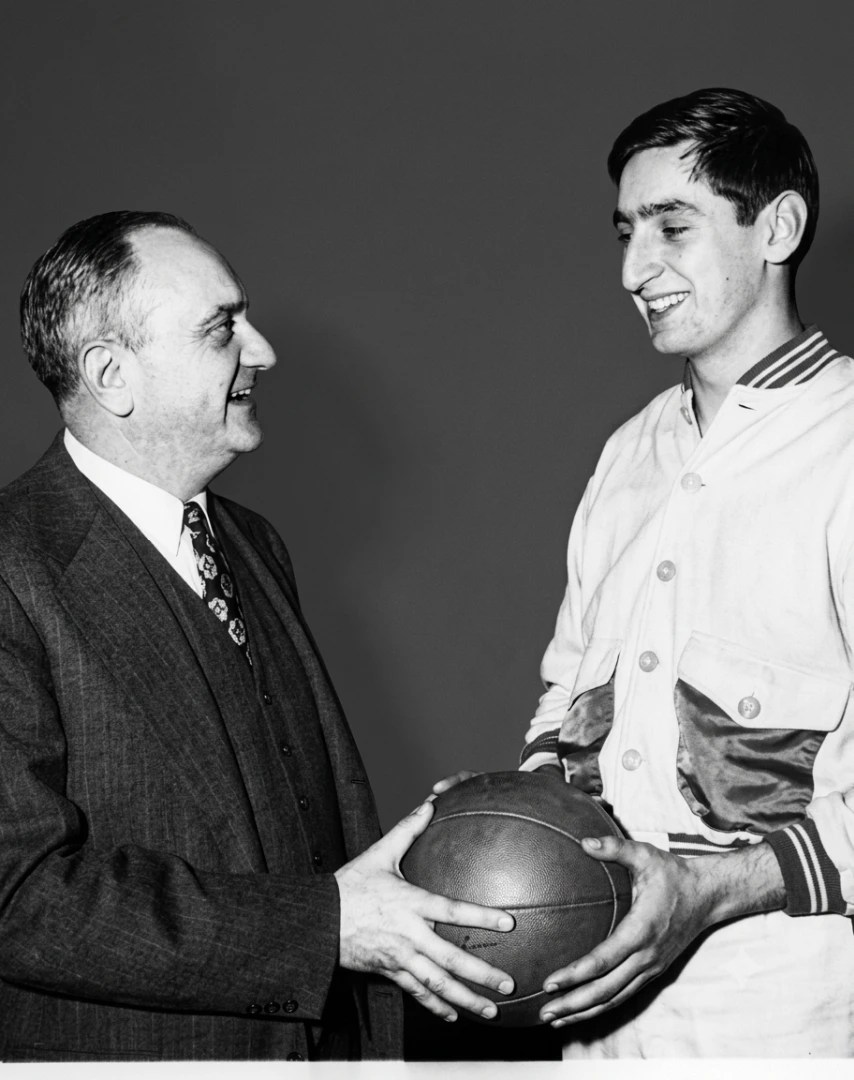
Among the many stars coached by Rupp were Forest Sale, Ralph Beard, Alex Groza, Frank Ramsey, Cliff Hagan, Johnny Cox, Cotton Nash, Louie Dampier, Pat Riley and Dan Issel. Rupp emphasized repetition, conditioning, individual fundamentals and relentless effort. His teams were known not only for their talent but also for their preparation, structure and ability to play at a demanding pace.
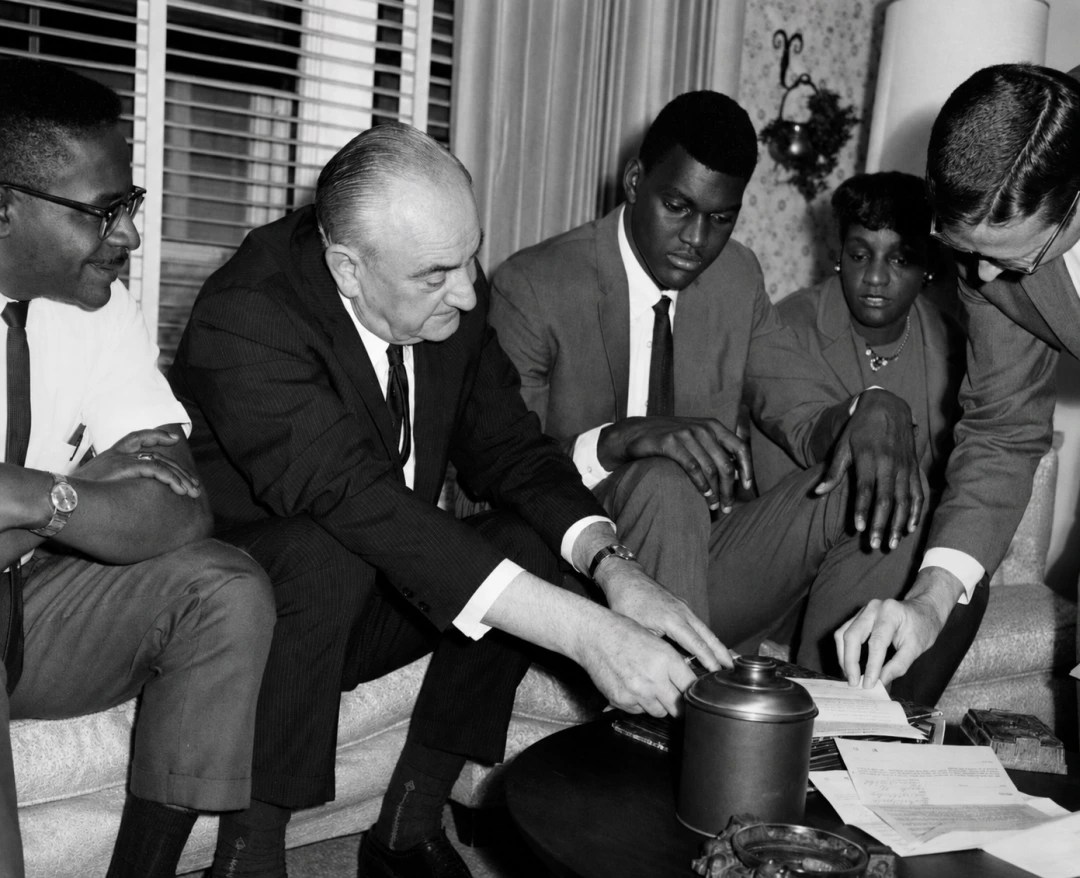
Rupp’s career also unfolded during the era of segregation in the South, and the racial history of his program remains an important and debated part of his legacy. Kentucky fielded all-white teams through most of his tenure. In 1969, Louisville standout Tom Payne signed with Kentucky and later became the first Black player to appear for the Wildcats. Historians and former players have offered differing accounts of Rupp’s earlier attempts to recruit Black athletes, but Kentucky’s delayed integration remains inseparable from a complete examination of his career.
Rupp retired after the 1971–72 season with a Kentucky record of 876–190 and an .822 winning percentage. His 876 victories were the major-college coaching record at the time and remained the standard until Dean Smith surpassed it in 1997. Rupp’s teams also established a 129-game home-court winning streak, one of the most extraordinary records in college basketball history.
Rupp was inducted into the Naismith Memorial Basketball Hall of Fame in 1969, before the conclusion of his coaching career. Kentucky later named Rupp Arena in his honor when the building opened in 1976. He died in Lexington on December 10, 1977, at age 76, on the same night Kentucky defeated his alma mater, Kansas, at Allen Fieldhouse during a game promoted as “Adolph Rupp Night.” He is buried in Lexington Cemetery.
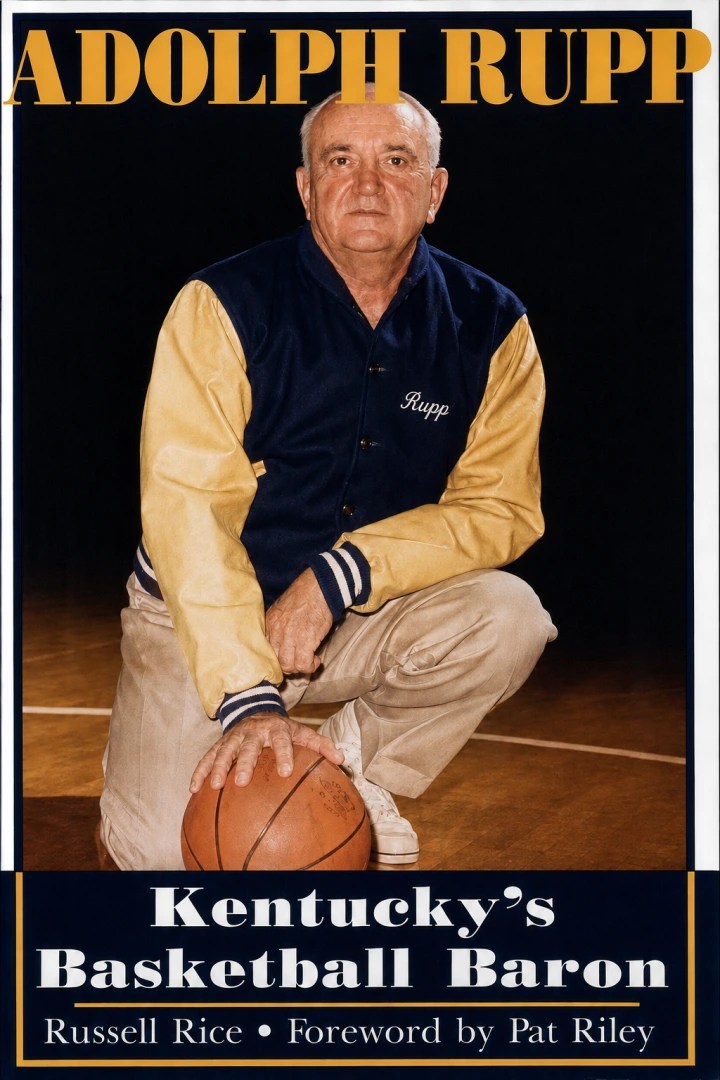
Over 42 seasons, Rupp established the foundation of Kentucky basketball’s national identity. His championships, innovations and extraordinary record made him one of the central figures in the history of the college game, while the more difficult questions surrounding race and integration ensure that his legacy continues to be studied and debated.