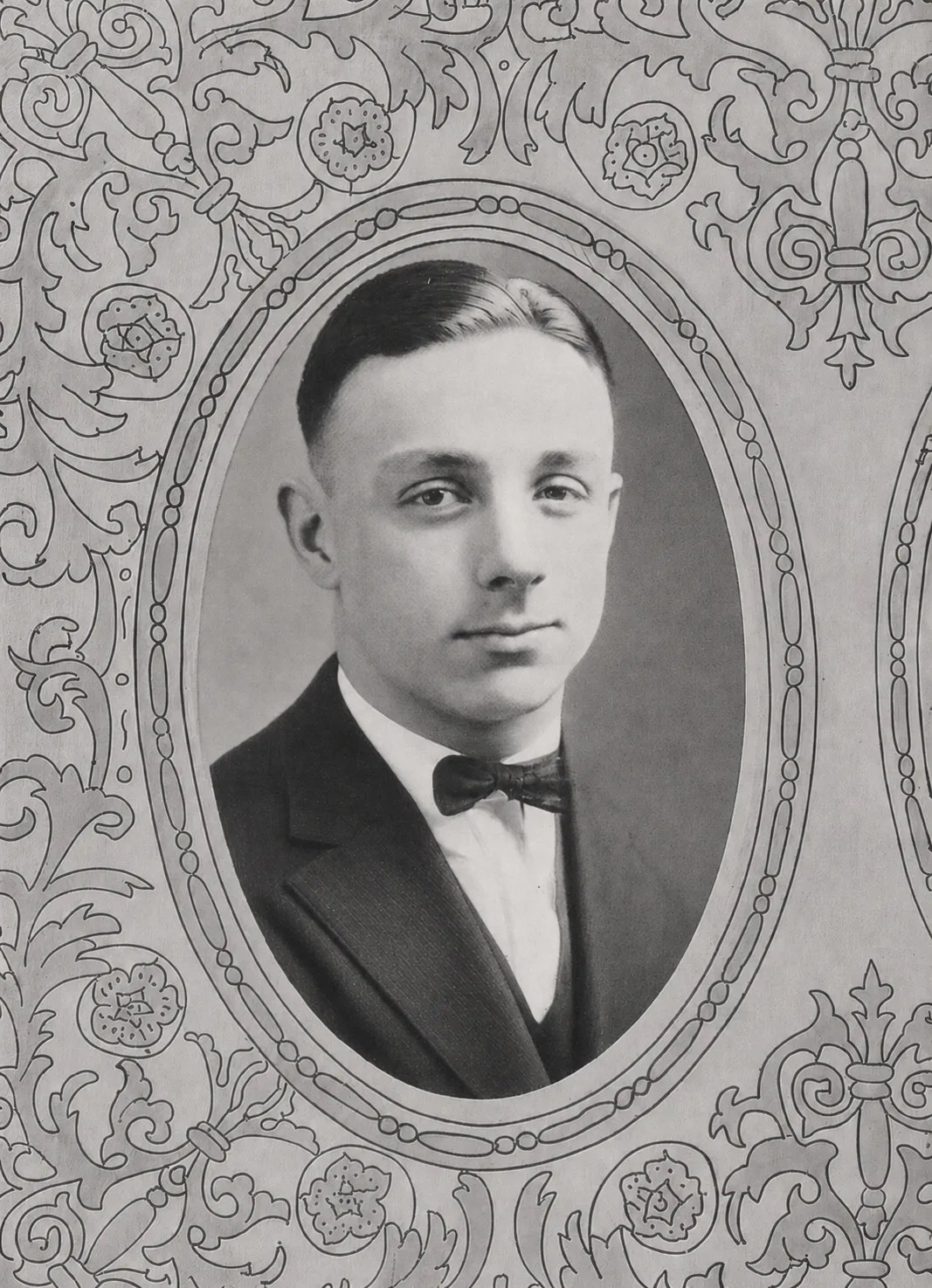
- Name
- Lawrence Burnham
- Position
- Guard
- Hometown (Last School)
- Paducah, KY (High)
- Ht
- 5-7
- Seasons
- 1918-19, 1919-20, 1921-22, 1922-23
- Birthday
- August 25, 1900
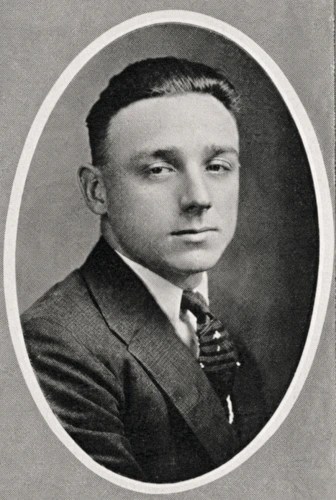
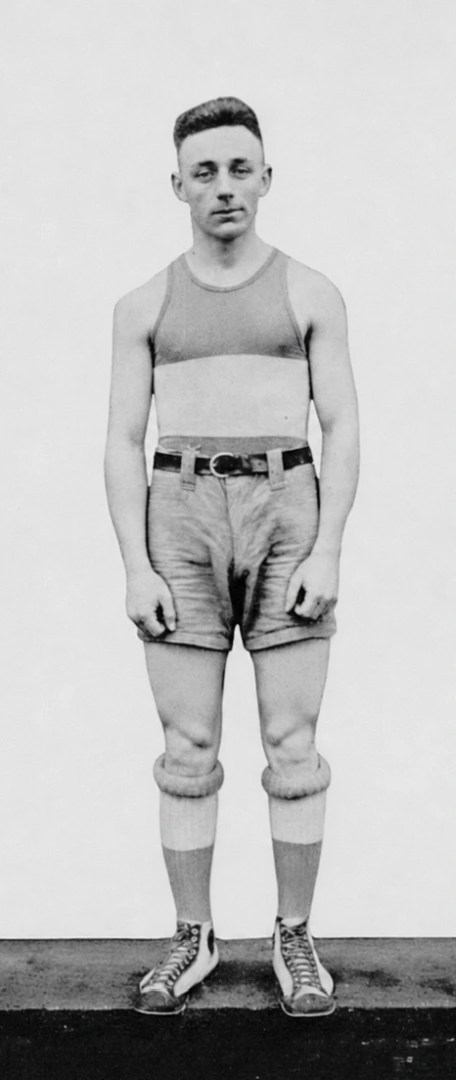
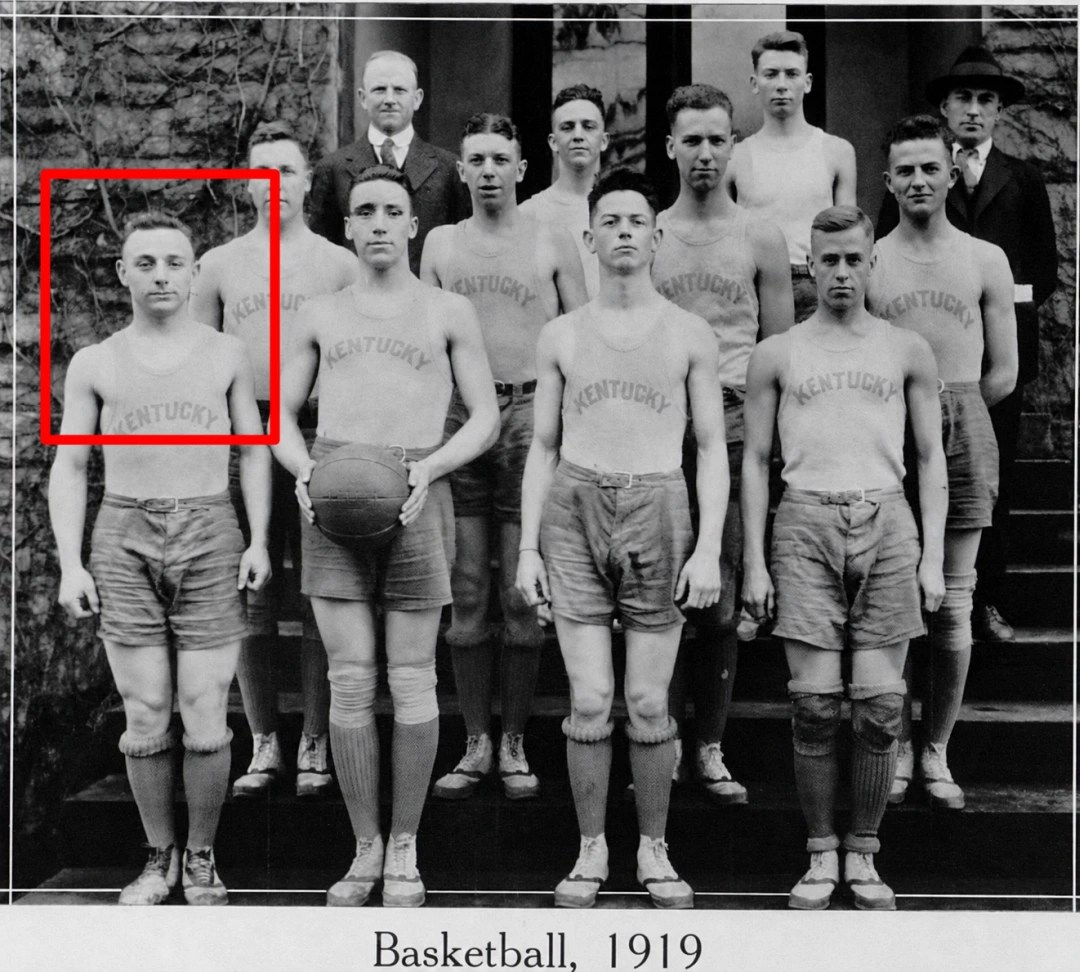
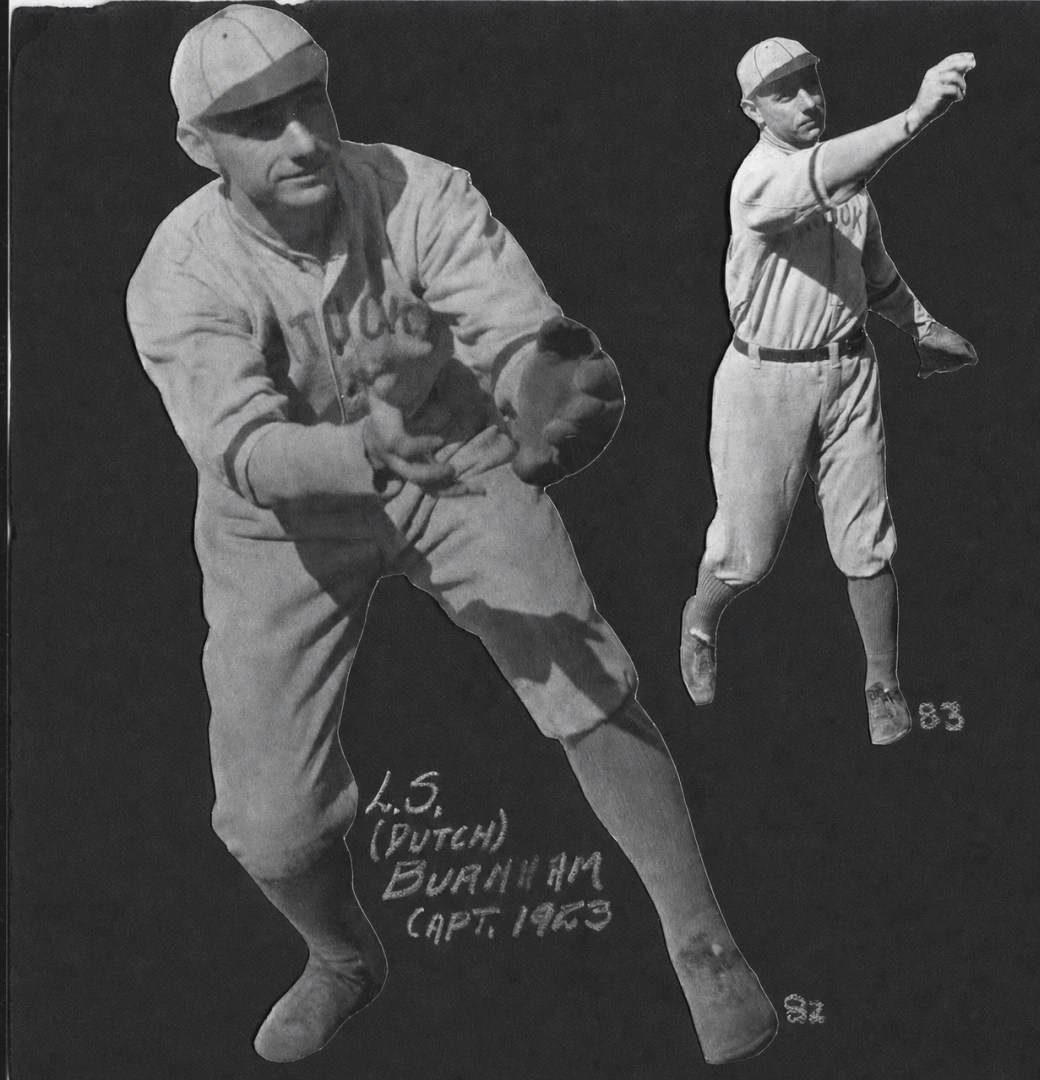
Lawrence Burnham was born Lawrence Schotta Burnham on August 24, 1900, in Paducah, Kentucky, to Edward S. and Lillie M. Burnam. A 5-foot-7 guard from Paducah High School, Burnham became one of the University of Kentucky’s most versatile athletes of the early 1920s. He competed for Kentucky in both basketball and baseball, eventually becoming a captain and, almost immediately after his playing career ended, a member of the university’s coaching staff.
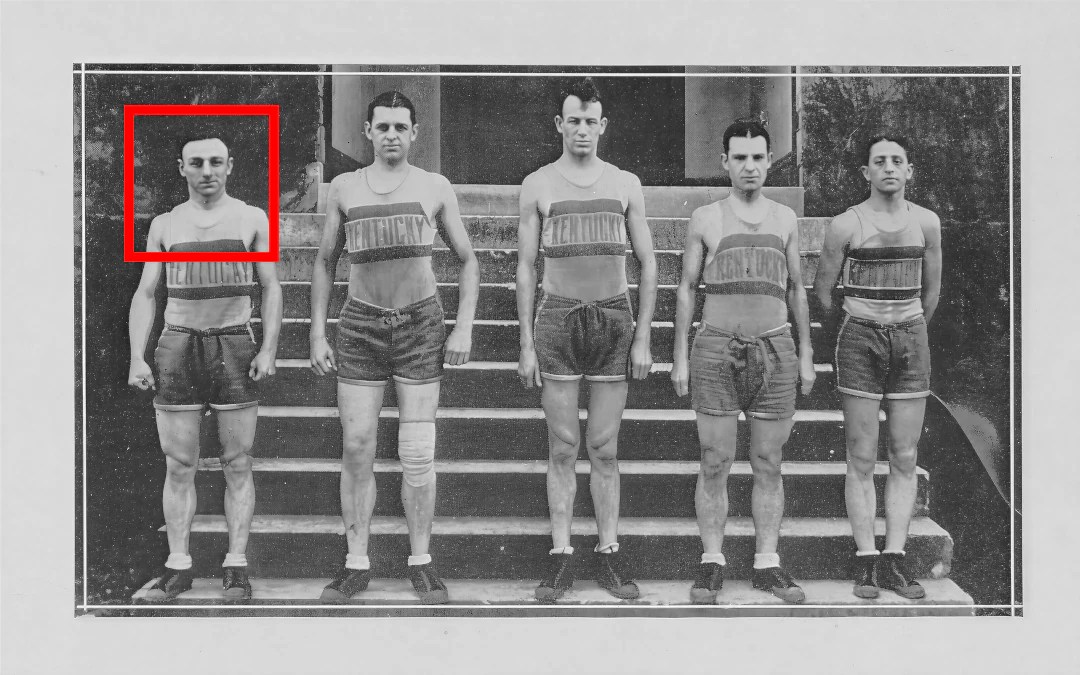
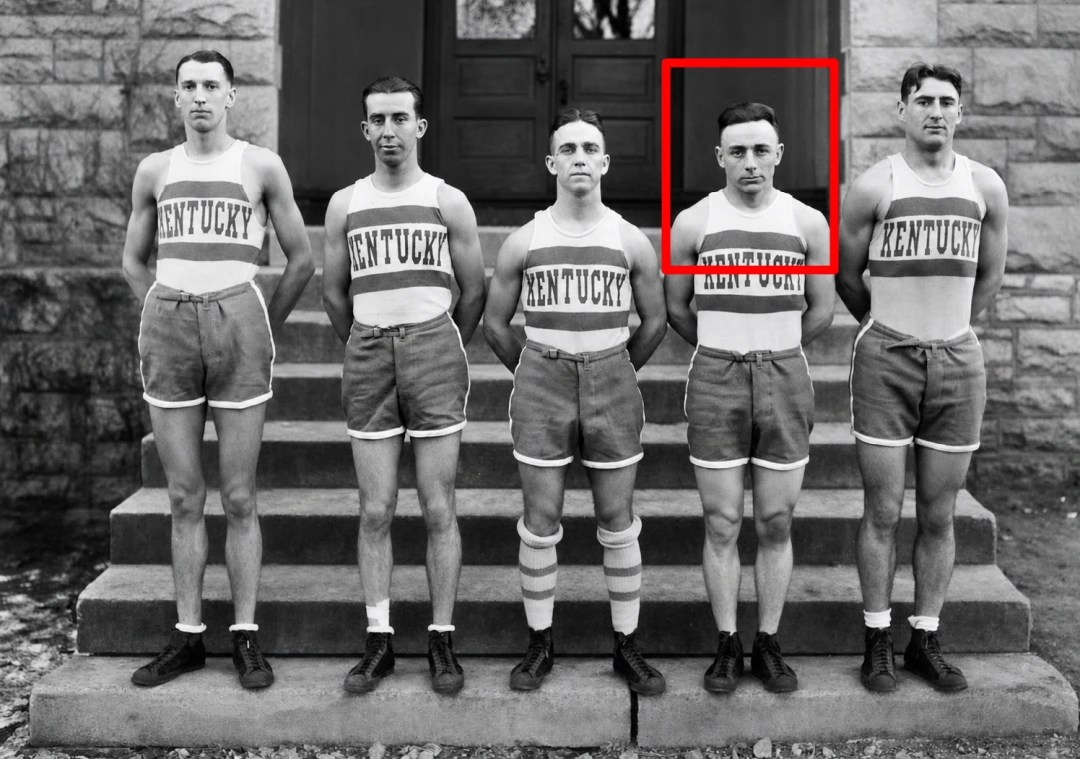
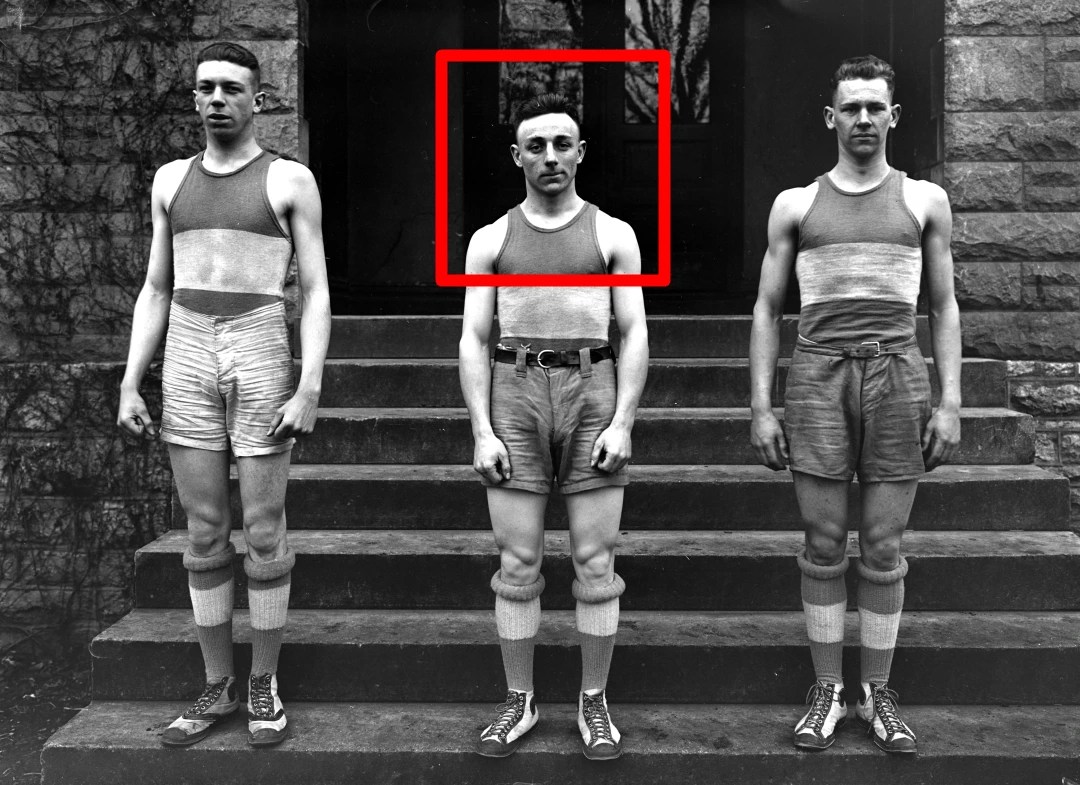
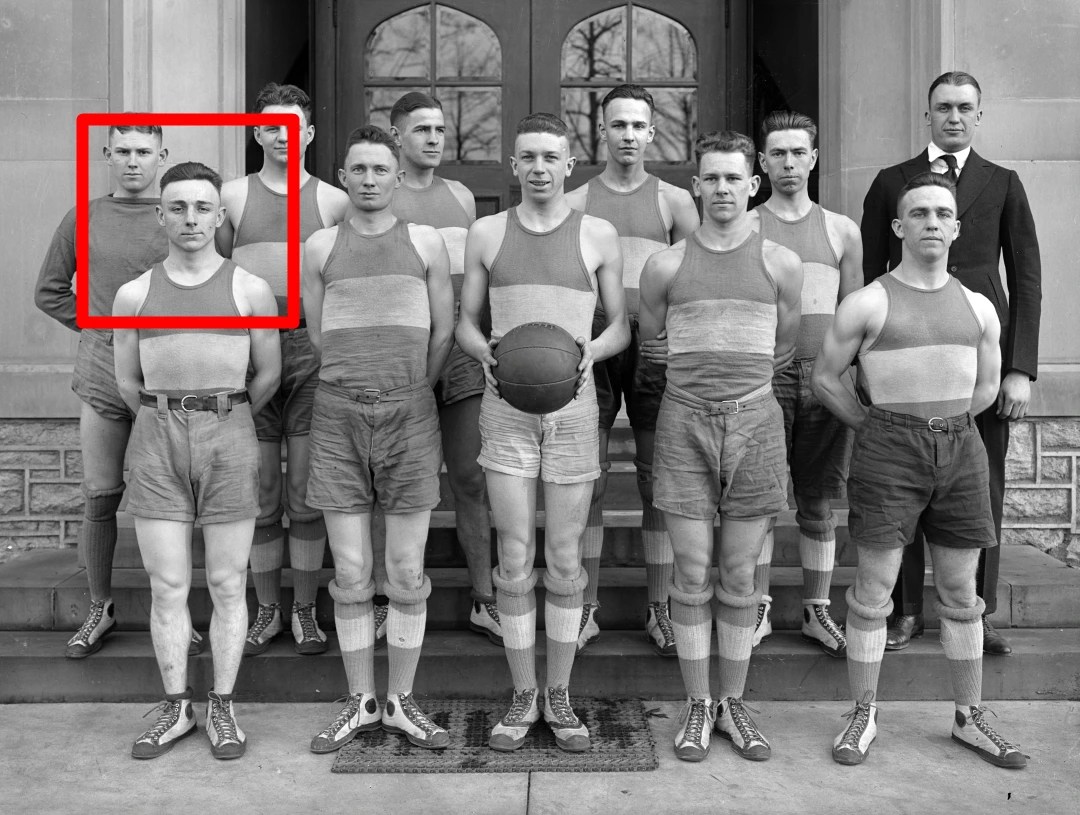
Burnham played four seasons of varsity basketball for Kentucky between 1918-19 and 1922-23, appearing in 50 games and scoring 24 points. Statistics from the era tell only part of his story. Contemporary accounts repeatedly emphasized his defense, intelligence and dependability. The 1923 Kentuckian described Burnham as a guard whose play was “not flashy, but dependable,” noting that opposing forwards frequently encountered a “stone wall” when they reached his position. He was characterized as a cool, brainy and consistent player, qualities that made him especially valuable in an era when guards were expected primarily to prevent scoring rather than produce it.
His final basketball season produced some of his strongest notices. In January 1923, after Kentucky defeated Georgetown, The Kentucky Kernel wrote that Burnham at guard was chiefly responsible for stopping the Tigers’ outside attack. Against Chattanooga a week later, Burnham and A. T. “Chuck” Rice were singled out as Kentucky’s outstanding guards as the Wildcats won 25-18. Later in the season, Burnham was praised alongside captain Freddie Fest as Kentucky’s most dependable players. When the season ended, the Kernel placed Burnham on its honor roll of leading guards and the university’s season statistics showed him appearing in all 13 games.
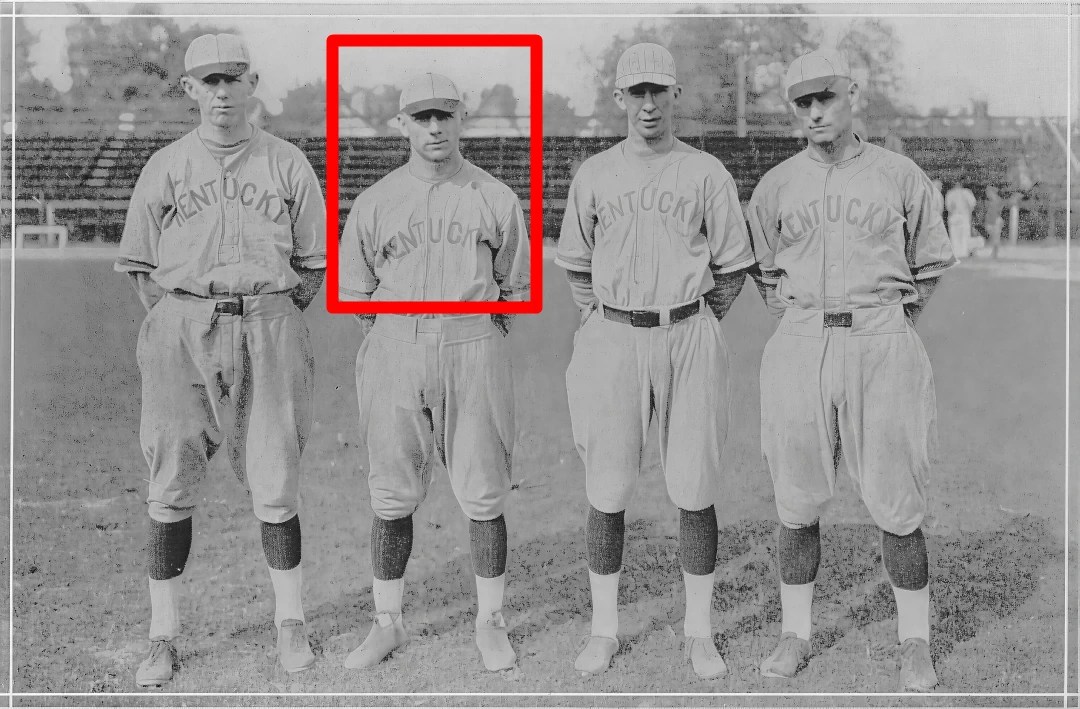
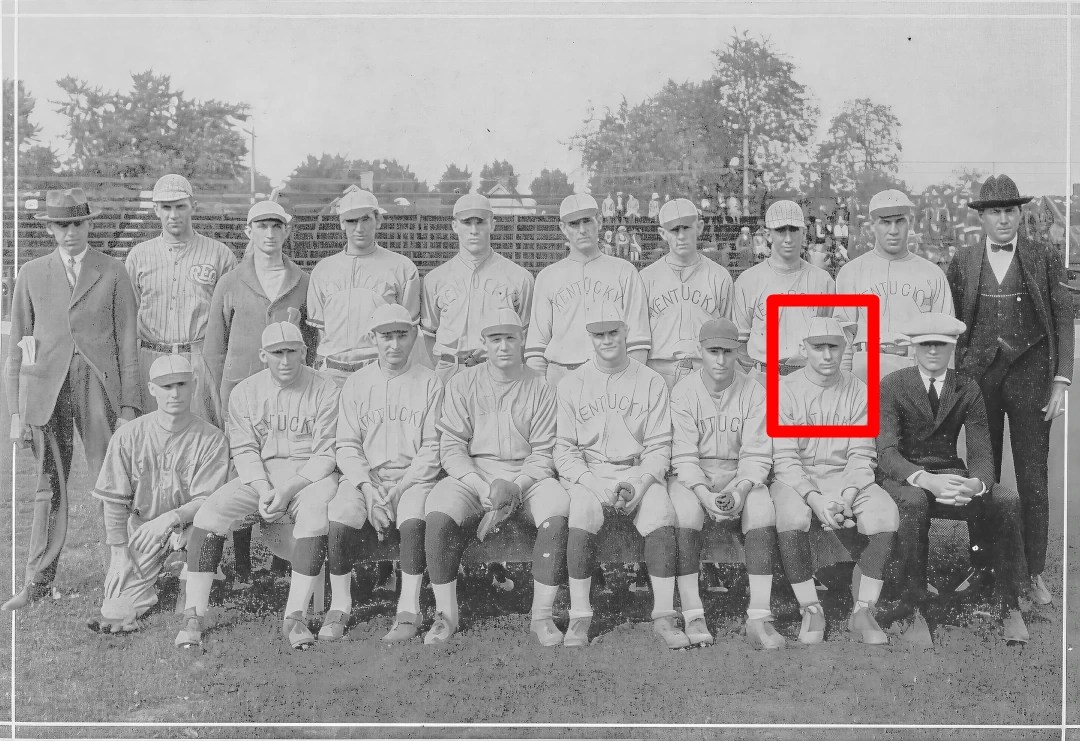
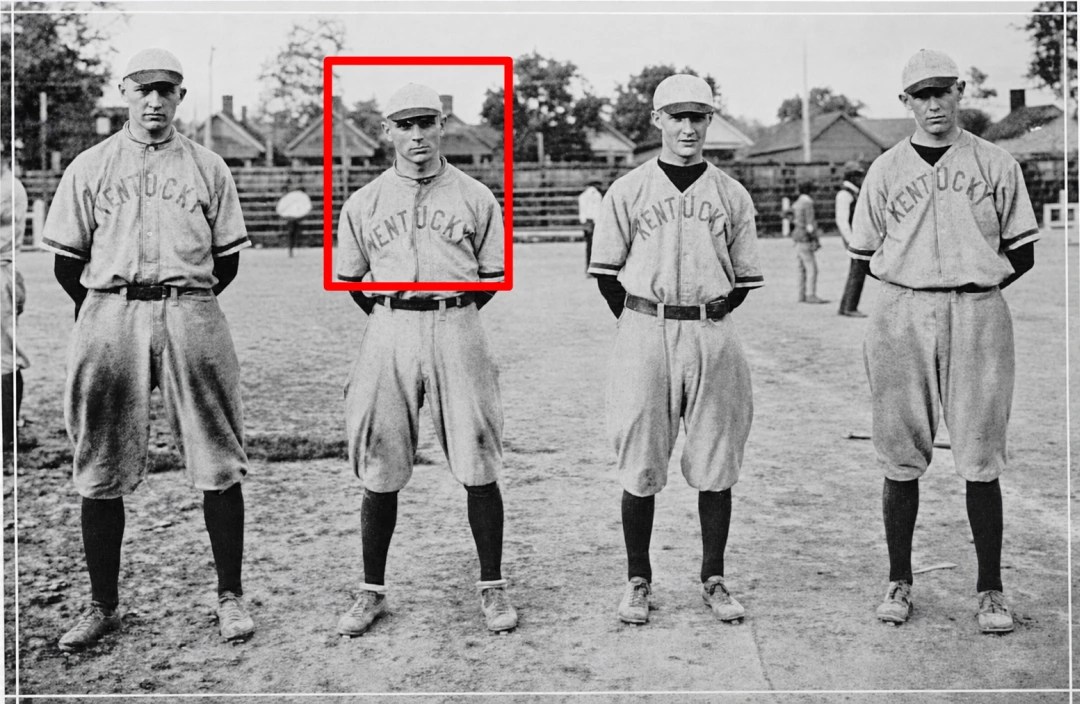
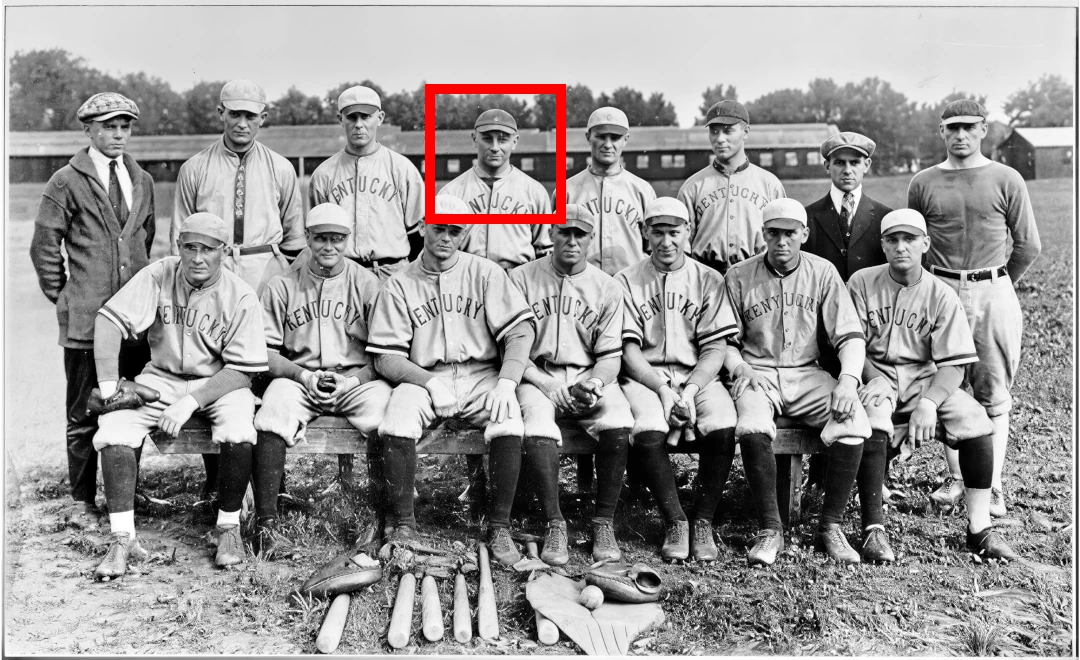
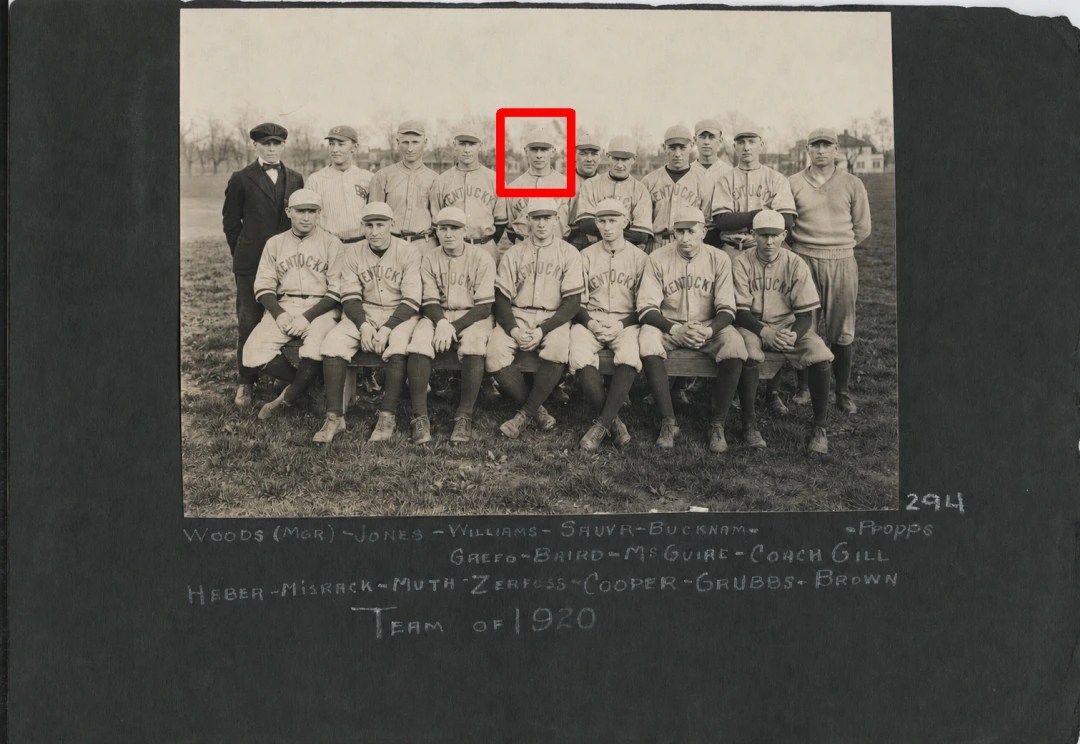
Burnham was even more accomplished on the baseball diamond. He played four years for Kentucky and captained the Wildcats as a senior in 1923 while holding down second base. The 1923 Kentuckian called him a “great ball player,” describing him as a faultless fielder, fast on the bases and a remarkable hitter. Another yearbook account said he had a batting average “well above .400” and called him the best infielder who had worn a Blue and White uniform. Newspaper reports support that reputation. Burnham regularly appeared near the heart of Kentucky’s batting order, delivered timely hits and home runs, and was repeatedly praised for his fielding and baserunning. In May 1923, his hitting helped Kentucky defeat Tennessee, and later that month he starred in Kentucky’s season-ending series against Georgetown.
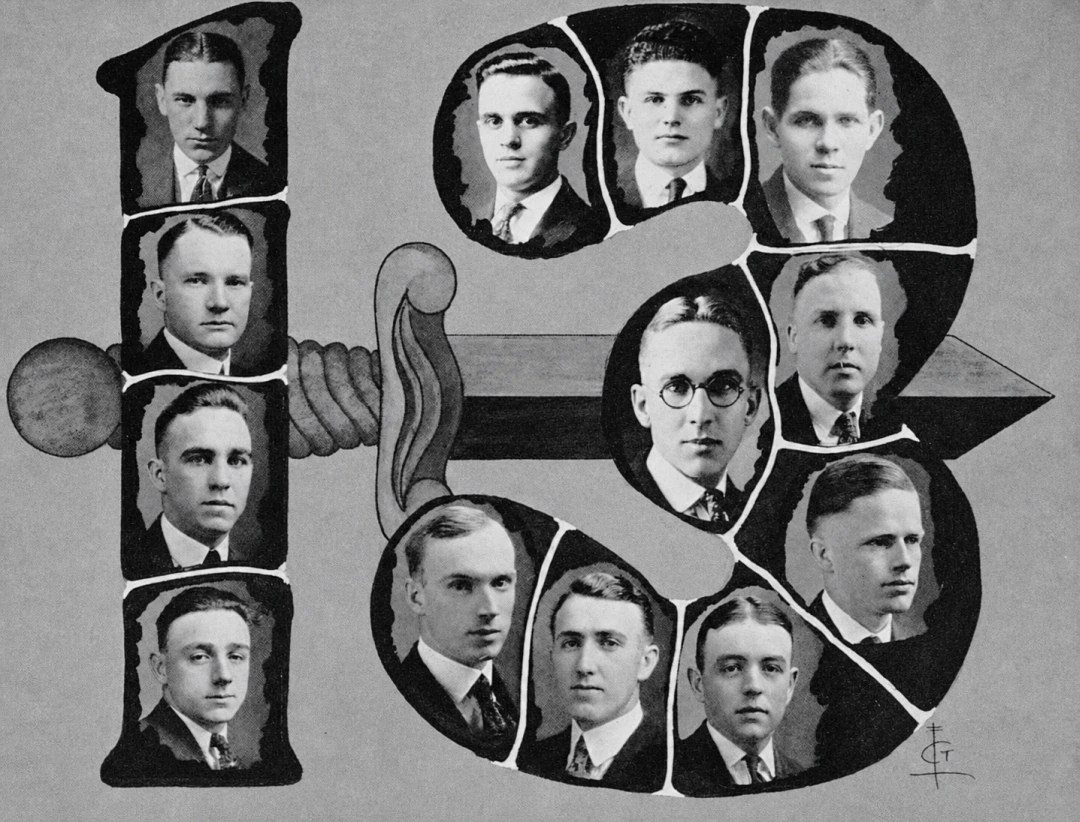
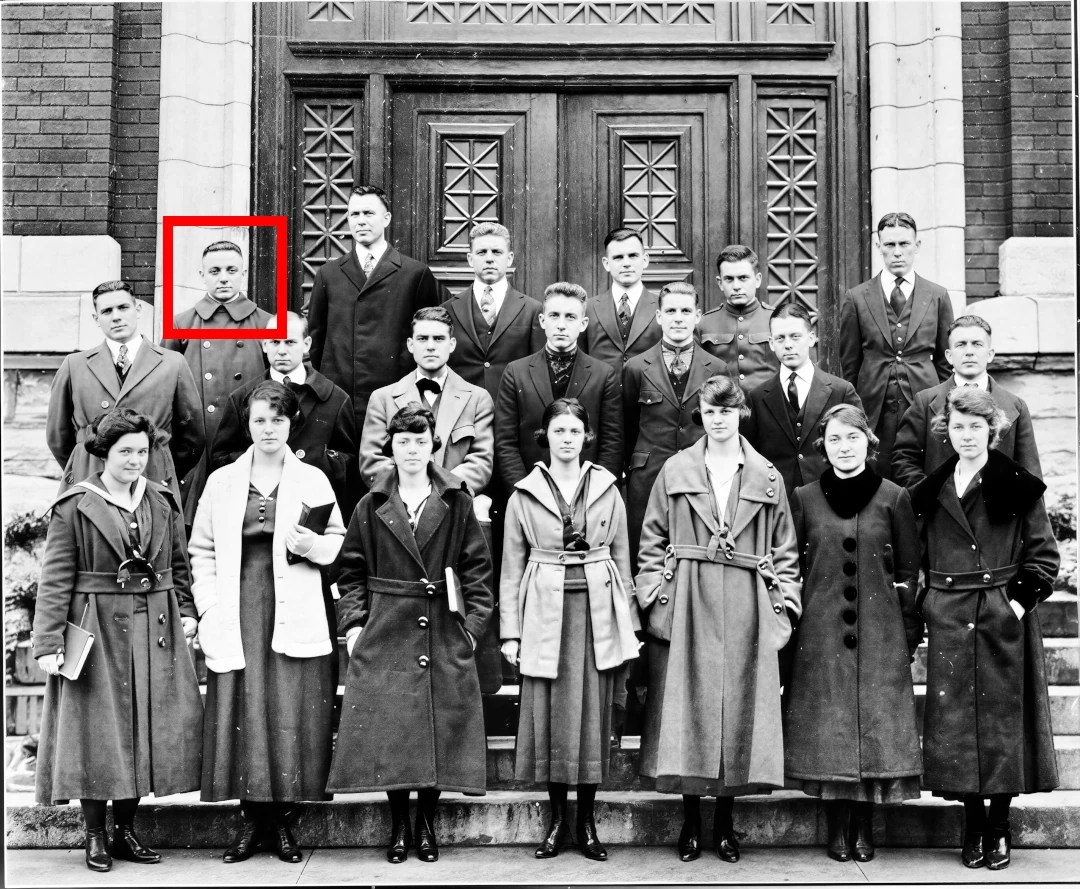
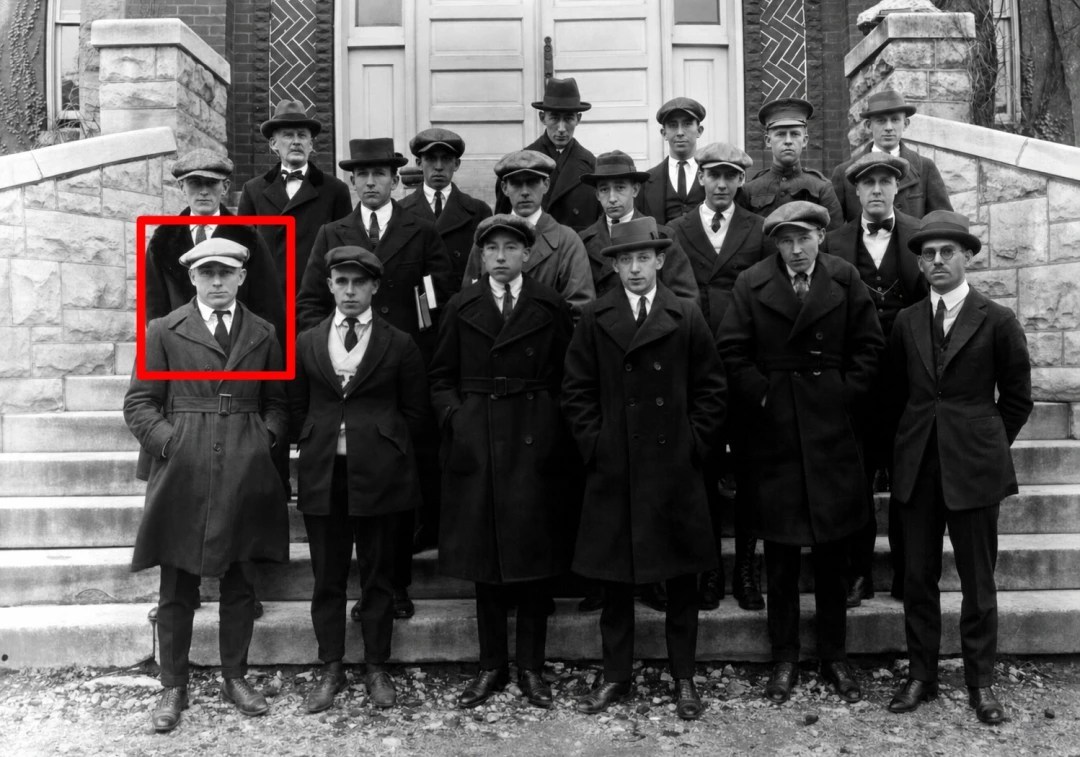
His standing at Kentucky went well beyond athletics. Burnham belonged to Alpha Tau Omega and was also associated with Lamp and Cross, Mystic Thirteen, Keys and Shafer’s Geological Society. His senior-year yearbook entry called him an “all-round athlete and a good student” and remarked upon his modesty. The same combination of athletic ability and temperament evidently made him a natural candidate for coaching. Before he had even left the university, the Kernel reported that Burnham had been selected as a student coach by the Athletic Council.
The transition from player to coach became official in 1923. University Board of Trustees records show that Lawrence S. Burnham was appointed assistant coach of the freshman basketball and baseball teams for the 1923-24 session at a salary of $1,300, paid by the Athletic Association. He also assisted with Kentucky’s freshman football squad. That fall the Kernel described coaches George Buchheit and Burnham putting roughly fifty freshman football candidates through their early-season work, and by basketball season Burnham had direct responsibility for the first-year team.
Burnham’s freshman basketball club quickly became a strong one. Newspaper coverage throughout the winter of 1923-24 shows him steadily reducing a large group of candidates and developing the remaining players into an effective unit. His “Kittens” defeated teams including Centre, Wesleyan and Peabody Institute, and at one stage had won eight of their first ten games. Reports credited Burnham with improving the team’s passing, floor play and shooting while experimenting with different combinations of players. A photograph published in the Kernel that February identified him simply as “Coach Burnham,” evidence of how quickly he had moved from celebrated Kentucky athlete to established member of the staff.
He coached freshman baseball as well. The May 23, 1924 Kernel identified him as “Coach Burnham, of the University of Kentucky freshman baseball team” after Kentucky defeated Eastern Kentucky Normal, 6-1. His familiarity with nearly every phase of the game made the assignment especially appropriate: as a Wildcat he had been a standout hitter, infielder, baserunner and team captain, and contemporary accounts consistently described him as one of Kentucky’s smartest baseball players.
Burnham’s academic record contains an interesting wrinkle. The 1923 Kentuckian listed him as “Lawrence S. Burnham, B.S. in Geology,” but official university records from the following year provide the more authoritative record of the degree actually awarded. The University of Kentucky’s 1924 commencement records list Lawrence Schotta Burnham of Paducah among the candidates for the Bachelor of Arts in Education, and the university’s published degree list likewise records him under the College of Education. A university catalog from the same period also lists “Mr. Burnham” among the staff of the Department of Physical Education. His full middle name, Schotta, is therefore established directly by official university records.
Burnham eventually left coaching and built a career in business, retiring as a manager for the F. W. Woolworth Company. He remained active in civic and fraternal organizations, including Alpha Tau Omega, the Masonic Lodge and York Rite, Oleika Temple and the Lexington Lions Club, and was affiliated with First United Methodist Church. He spent much of his adult life in Lexington before later returning to Paducah, where he died in February 1985. His funeral and burial arrangements took him back to Lexington.
“Dutch” Burnham occupies an unusual place in Kentucky athletic history. He was a four-year basketball player, a four-year baseball player, a baseball captain, one of the university’s most highly regarded early infielders and then a Kentucky coach almost immediately after finishing his varsity career. Newspaper and yearbook accounts written by people who actually watched him consistently return to the same qualities: intelligence, steadiness, versatility and modesty. More than a century later, those contemporary descriptions provide perhaps the best summary of Burnham — an accomplished two-sport Wildcat who was good enough to star, dependable enough to captain a team, and respected enough that Kentucky immediately asked him to begin teaching the next generation of Wildcats.
Statistics:
NCAA
| Season | Team | MIN | FGM | FGA | 3PM | 3PA | FTM | FTA | OR | DR | PF | AST | TO | BLK | STL | PTS | G | MPG | FG% | FT% | 3P% | RPG | APG | SPG | BPG | PPG |
|---|---|---|---|---|---|---|---|---|---|---|---|---|---|---|---|---|---|---|---|---|---|---|---|---|---|---|
| Kentucky | 0 | 6 | 0 | 0 | 0 | 0 | 0 | 0 | 0 | 0 | 0 | 0 | 0 | 0 | 16 | 10 | 0.0 | 0 | 0 | 0 | 0.0 | 0.0 | 0.0 | 0.0 | 1.6 | |
| Kentucky | 0 | 0 | 0 | 0 | 0 | 0 | 0 | 0 | 0 | 0 | 0 | 0 | 0 | 0 | 6 | 12 | 0.0 | 0 | 0 | 0 | 0.0 | 0.0 | 0.0 | 0.0 | 0.5 | |
| Kentucky | 0 | 0 | 0 | 0 | 0 | 0 | 0 | 0 | 0 | 0 | 0 | 0 | 0 | 0 | 0 | 16 | 0.0 | 0 | 0 | 0 | 0.0 | 0.0 | 0.0 | 0.0 | 0.0 | |
| Kentucky | 0 | 1 | 0 | 0 | 0 | 0 | 0 | 0 | 0 | 0 | 0 | 0 | 0 | 0 | 2 | 12 | 0.0 | 0 | 0 | 0 | 0.0 | 0.0 | 0.0 | 0.0 | 0.2 | |
| Total | - | 0 | 7 | 0 | 0 | 0 | 0 | 0 | 0 | 0 | 0 | 0 | 0 | 0 | 0 | 24 | 50 | 0.0 | 0 | 0 | 0 | 0.0 | 0.0 | 0.0 | 0.0 | 0.5 |
Career Totals
| Season | MIN | FGM | FGA | 3PM | 3PA | FTM | FTA | OR | DR | PF | AST | TO | BLK | STL | PTS | G | MPG | FG% | FT% | 3P% | RPG | APG | SPG | BPG | PPG |
|---|---|---|---|---|---|---|---|---|---|---|---|---|---|---|---|---|---|---|---|---|---|---|---|---|---|
| 1918-19 | 0 | 6 | 0 | 0 | 0 | 0 | 0 | 0 | 0 | 0 | 0 | 0 | 0 | 0 | 16 | 10 | 0.0 | 0 | 0 | 0 | 0.0 | 0.0 | 0.0 | 0.0 | 1.6 |
| 1919-20 | 0 | 0 | 0 | 0 | 0 | 0 | 0 | 0 | 0 | 0 | 0 | 0 | 0 | 0 | 6 | 12 | 0.0 | 0 | 0 | 0 | 0.0 | 0.0 | 0.0 | 0.0 | 0.5 |
| 1921-22 | 0 | 0 | 0 | 0 | 0 | 0 | 0 | 0 | 0 | 0 | 0 | 0 | 0 | 0 | 0 | 16 | 0.0 | 0 | 0 | 0 | 0.0 | 0.0 | 0.0 | 0.0 | 0.0 |
| 1922-23 | 0 | 1 | 0 | 0 | 0 | 0 | 0 | 0 | 0 | 0 | 0 | 0 | 0 | 0 | 2 | 12 | 0.0 | 0 | 0 | 0 | 0.0 | 0.0 | 0.0 | 0.0 | 0.2 |
| Total | 0 | 7 | 0 | 0 | 0 | 0 | 0 | 0 | 0 | 0 | 0 | 0 | 0 | 0 | 24 | 50 | 0.0 | 0 | 0 | 0 | 0.0 | 0.0 | 0.0 | 0.0 | 0.5 |
Photos: